



Changing Futures Starts Here

Changing Futures Starts Here
What happens when a university decides that excellence shouldn’t be exclusive?
Now, through ASU’s Changing Futures campaign — the university’s second schoolwide fundraising effort under Crow’s leadership — that mission is gaining momentum to address today’s most urgent global challenges.
“Our mission was to change the world,” Crow says, “and now, we’re accelerating that mission. Together, we must transform global education, inspire tomorrow’s game changers, reshape our relationship with the planet, empower community resilience, build the future of health, and advance technology for good.”
As the largest business school in the U.S. at America’s most innovative university, W. P. Carey is aligning its strengths with these six commitments — showing what business education makes possible.
 Transform global education

Senior Associate Dean of Education
That’s why the school is reimagining global education to make it more immersive, accessible, and integral to the student experience, whether you’re an undergraduate discovering your path or a working professional deepening your leadership skills.
“We’re committed to offering global learning experiences that are not only high-impact, but also intentionally designed to fit students’ lives,” says Michele Pfund, senior associate dean of education. “Our goal is to make these opportunities more accessible to all students — regardless of background or schedule.”
At the undergraduate level, W. P. Carey offers short, high-impact programs designed to meet students where they are. In Costa Rica, for example, students have the opportunity to explore sustainability and agribusiness firsthand. At the Paris Olympics, students learned about creating marketing plans for international brands. These experiences help students view business through a global lens, and understand how real-world challenges unfold across borders.
“These are more than trips; they’re hands-on learning experiences,” Pfund says. “When students stand in the field with a coffee grower in Costa Rica or visit the Olympic Games to study global marketing, they’re engaging with international business in ways that bring classroom lessons to life.”
In graduate programs, students participate in global immersions and hybrid consulting projects with international partners, such as the University of Hong Kong. These experiences are embedded into the curriculum and designed to provide deep insights while accommodating the demands of career and family life.
“We want students at every level to see that global education is possible — and powerful,” says Pfund. “And for undergrads especially, these short, immersive programs can be a transformative first step toward building global confidence.”
W. P. Carey prioritizes access to education across undergraduate and graduate programs. Scholarships are available specifically for study abroad and global immersion opportunities. The school schedules experiences to minimize disruptions to students’ lives.
“Faculty and staff know access goes beyond money — it’s about time and support,” Pfund explains. “That’s why we build programs that are flexible and provide the right resources so students can truly engage.”
These experiences extend past changing how students see business — they change how students see themselves. Whether working with a coffee co-op in Costa Rica to understand global supply chains firsthand, or presenting strategic recommendations to international partners, students are doing more than studying business — they’re living it.
“When students return from these trips, they walk a little taller,” Pfund says. “They realize they can adapt, contribute, and lead in a global context — and that’s a mighty shift.”
Behind each program are faculty, staff, alums, and international partners committed to making sure these opportunities go beyond sightseeing. They are transformative learning experiences that stretch students, challenge assumptions, and prepare them to lead with empathy, cultural awareness, and purpose.
“Global education at W. P. Carey is not about checking a box,” Pfund says. “It’s about helping students develop the mindset and skills to thrive in a world that’s increasingly connected.”
 Inspire tomorrow’s game changers

Foundation Professor, Rusty Lyon Chair in Strategy, and Executive Director of the New Governance Lab
“Governance is a critically important part of our economies globally,” says Amy Hillman, Foundation Professor, Rusty Lyon Chair in Strategy, and executive director of the New Governance Lab. “Yet while we have deep data on public companies, there’s very little rigorous research for the 25 million private firms in the U.S. That’s the gap we’re aiming to fill.”
The lab works to expand what corporate governance can be — not just a compliance exercise, but a force for long-term, values-driven decision-making that prepares future leaders to navigate complexity and make a meaningful impact. Since its launch, the lab has funded more than 30 research projects led by 24 faculty and 11 PhD students across eight W. P. Carey departments.
The lab also launched its first national survey of private company board practices in 2025, in partnership with the Private Directors Association, benchmarking more than 50 practices across various areas, including compensation and mentoring.
“This data set will allow companies to benchmark their governance,” Hillman says. “And it will support new research that helps us understand how governance practices vary by ownership structure, size, and industry.”
To translate research into action, the lab will debut its first Director Readiness Program this November in partnership with the Directors Academy. Designed for professionals seeking their first public or private board seat, current board members will lead the two-day experience. “It’s a hands-on way we’re helping build the next generation of informed, effective board leaders,” Hillman says.
Global partnerships are also amplifying the lab’s impact. A recurring governance and sustainability conference, such as the one hosted with Hong Kong University and alternating between Hong Kong and Tempe, Arizona, brings together researchers and practitioners from around the world to exchange insights and inspire new scholarship.
The broader mission is clear: to build data, tools, and networks that redefine success in business. “We often look at company performance in financial terms,” Hillman says. “True success today also includes employee engagement, customer loyalty, and strong community ties. By broadening our measures of what makes a company great, we’re supporting more inclusive, thoughtful leadership.”
To sustain the lab’s impact, W. P. Carey is actively seeking philanthropic partners and advisory board members who believe in the power of good governance to drive meaningful change. “We’re at a startup stage,” Hillman says. “Now we need five-year commitments from those who want to invest in this work.”
Join us in supporting better governance and empowering tomorrow’s boardroom leaders. To get involved, contact amy.hillman@asu.edu or doris.waxberg@asu.edu.
 Reshape our relationship with the planet
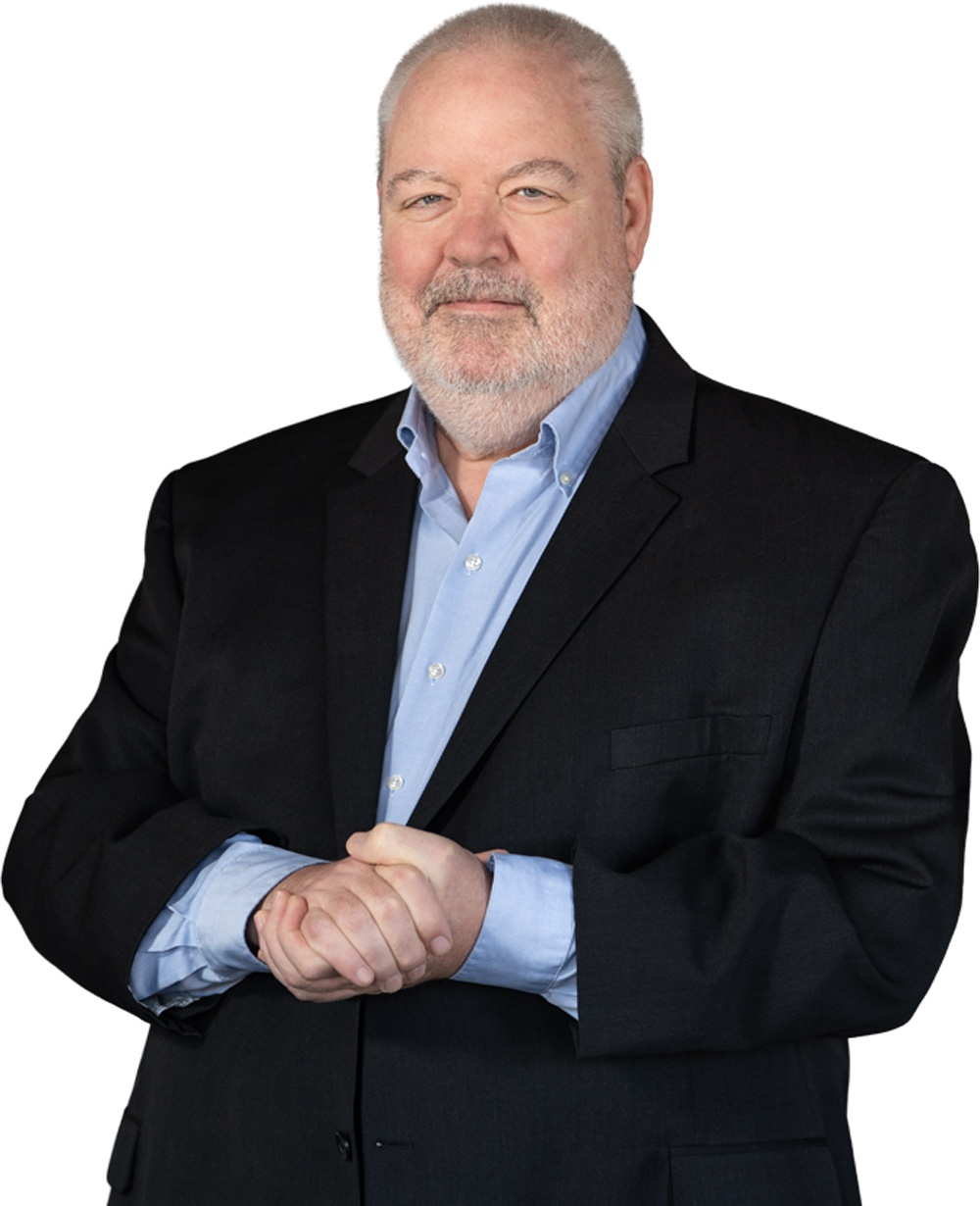
Professor of Supply Chain Management, Senior Global Futures Scientist in ASU’s Julie Ann Wrigley Global Futures Laboratory, Dean’s Council of 100 Distinguished Scholar, and Chief Scientist at The Sustainability Consortium
Dooley describes TSC’s role as creating the science and tools that enable companies to measure, manage, and improve sustainability across entire value chains. “If we want to change outcomes at scale, we can’t rely on individual consumer choices or isolated projects,” he says. “We need systems that allow retailers and brands to send clear demand signals upstream to their suppliers — signals that ripple across thousands of companies and billions of dollars in commerce.”
Under his leadership, TSC has developed THESIS (aka Walmart Sustainability Index), a set of assessments that cover environmental and social impacts associated with consumer goods. Deployed through major retailers and brand owners, these tools have engaged thousands of suppliers and influenced about $200 billion in consumer sales. “It’s one of the few places where competitors can come together to work on tough sustainability issues in a safe, objective environment,” Dooley notes. “We’ve shown that stewardship is not just possible — it’s profitable.”
That stewardship mindset is central to Dooley’s theory of change. He explains that retailers and brands occupy a critical nexus in the value chain, where their choices can influence practices from farms to factories. “When Walmart or Walgreens signals to suppliers that sustainability matters, it sends a message that cascades through the entire chain,” he says. “Those companies become stewards — not only of natural resources like water and soil, but of worker safety, community well‑being, and social capital.”
Dooley also emphasizes that measurement alone isn’t enough; companies need the “scaffolding” to act. TSC provides practical metrics, supplier surveys, and training programs that help firms measure energy use, greenhouse gas emissions, water management, deforestation risk, and worker health and safety. “For many organizations, the hardest part is simply getting started,” Dooley explains. “When a company reports, ‘We’re unable to determine at this time,’ that may sound like failure. But in reality, it’s a sign of engagement. They’ve taken the first step toward building the systems they need.”
That pragmatic approach reflects a more profound optimism. In a recent article for The Conversation, Dooley and colleagues argued that supply chains must move beyond minimizing harm to regenerate ecosystems and communities actively. “We’ve already pushed planetary systems to their limits,” he says. “Six of nine planetary boundaries are breached. The challenge now is not just to sustain, but to restore and regenerate.”
This systems mindset extends into the classroom. Through project-based, modular learning, Dooley’s students collaborate with local organizations to address real-world sustainability challenges. One project involved developing cost‑effective recommendations to improve building performance and advance LEED certification at a community recreation center. LEED, which stands for Leadership in Energy and Environmental Design, is the rating system used by the U.S. Green Building Council to measure a building’s sustainability and resource efficiency. “Students gain more than technical skills,” Dooley explains. “They learn how to listen, how to balance financial limits with environmental goals, and how to design solutions that are implementable.”
Dooley also sees technology as an accelerant for sustainability — particularly artificial intelligence. “AI can help us use land and resources more intelligently, design smarter recycling systems, and make sustainability reporting faster and more accurate,” he says. From bee‑sized drones that support precision agriculture to smart garbage bins that optimize waste collection routes, the potential is vast. “But the real test is trust,” he cautions. “We need systems that can explain their logic — that translate machine intelligence back into human intelligence. Otherwise, we risk losing faith in the very tools that could help us.”
For Dooley, the through‑line is clear: Make sustainability measurable, make it actionable, and make it everyone’s job. “When stewardship is shared, progress scales,” he says. “That’s how we reshape our relationship with the planet — by designing futures that not just survive, but thrive.”
 Empower community resilience

Clinical Professor of Finance and co-Director of the Department’s Financial Literacy Initiatives
“At W. P. Carey, we believe financial literacy is more than a business skill — it’s a form of social empowerment,” says Atif Ikram, clinical professor of finance and co-director of the department’s financial literacy initiatives. “Our long-term vision is to make high-quality personal financial education widely accessible, regardless of income, background, or prior exposure to finance. This vision aligns with the ASU Charter and our belief that business is personal.”
This belief fuels W. P. Carey’s growing efforts in financial literacy and inclusion, a key component of its work under the empower community resilience pillar. From partnerships with K–12 schools to innovative educator certificate programs, W. P. Carey is working to remove barriers and create new pathways into finance for students.
One key initiative is W. P. Carey’s partnership with Phoenix Union High School District (PXU). They offer a one-credit-hour introductory personal finance course as part of a required economics class, providing students with the tools to understand budget management, investing, and long-term planning. The program not only opens doors to financial awareness but also encourages students to see new possibilities for themselves in the finance field.
“Our partnership with Phoenix Union High School District can potentially bring FIN 123 to thousands of high school students annually — about 80% of whom come from low-income households,” Ikram says. “With donor support, students can earn college credit at no cost, helping reduce financial and psychological barriers to higher education.”
The dual-enrollment model with PXU offers access to the same curriculum offered to ASU students under the course name Money Matters: A Practical Guide for Navigating Your Financial Life. Ikram led the content development and supported economics teachers offering the course in their classrooms.
“A teacher’s comfort level in addressing complex financial topics can serve as a further barrier to student access to financial education at an earlier age,” says Laura Lindsey, the Cutler Family Endowed Professor, chair of the Department of Finance, and associate professor of finance. “Yet, we must equip teens and young adults with good information before they make decisions about taking on debt or embarking on a career trajectory. This need to prepare students with sound financial knowledge before major life decisions is why the school’s collaboration with non-profit Next Gen Personal Finance is such an essential piece of the puzzle.”
W. P. Carey’s momentum continues with the creation of the first-ever financial literacy specialization for an education master’s degree, developed in partnership with ASU’s Mary Lou Fulton College for Teaching and Learning Innovation. After teachers complete all three offerings, the nine credits can be applied toward a master’s degree at ASU, reducing the cost of graduate education while equipping teachers to deliver financial education in their classrooms.
“We’re designing these certificates to empower teachers with deep financial fluency that they can immediately apply in the classroom,” says Lindsey. “The focus is on the financial concepts and applications, leaving the pedagogical approaches to the teachers, since they might be dealing with different ages and preparations. A bonus is that we might help teachers better manage their finances, too.”
W. P. Carey’s broader financial literacy initiatives also target common gaps across all ages, from early exposure to navigating misinformation. “Too many people graduate high school, even college, without ever learning how to budget, use credit wisely, invest, or plan for retirement,” Ikram explains. “Meanwhile, even adults face challenges with behavioral biases and the latest schemes touted on social media.
“Many students, especially those from underserved communities, often see finance as something reserved for Wall Street or wealthy families,” he adds. “They think it’s just about stocks or working in a bank. However, financial literacy encompasses not only budgeting, insurance, and tax planning, but also starting a business. Once students see the full picture, it sparks curiosity — and even inspires some to pursue finance careers.”
Lindsey says W. P. Carey’s role is to ensure the content is rigorous and relevant, whether someone is learning in a high school, pursuing a degree, or already in the workforce.
“A financially literate society is more secure, confident, and innovative,” Ikram concludes. “When people understand how to budget, save, or use credit wisely, they can pursue higher education, launch businesses, and even build intergenerational wealth.”
 Build the future of health

Professor of Supply Chain Management and Dean’s Council of 100 Scholar
“More than one supply chain affects patient care,” says Eugene Schneller, professor of supply chain management and Dean’s Council of 100 Scholar. “One is human resources — doctors, nurses, physician assistants. The other is the supply chain of materials, and if those materials aren’t there, care doesn’t happen.”
Hospitals rely on external vendors for nearly all the equipment and supplies they use. “Hospitals are highly resource-dependent,” Schneller explains. “They make almost nothing themselves. If syringes, IV drips, or other necessary materials are not available, health care professionals cannot carry out procedures. If machines such as MRIs aren’t functioning, care comes to a halt. During the COVID-19 pandemic, we saw how fragile that system can be.”
“As we’ve witnessed in recent years, society urgently needs more resilient systems across every sector,” says Adegoke Oke, professor and chair of the Department of Supply Chain Management and Harold E. Fearon Fellow Committee Chair.
That’s why Schneller and his colleagues emphasize not just logistics but leadership, preparing students to think strategically about supply chain design, inventory management, supplier collaboration, and system disruptions. “Inventory may sound boring — until the day you don’t have what you need for a patient,” he says. “Then it becomes life-or-death.”
W. P. Carey supply chain students benefit from direct engagement with top-tier health care systems. “We have strong relationships with organizations like Mayo Clinic, HonorHealth, and Banner Health,” Schneller says. “Our students work on real-world cases, often alongside the very leaders they hope to become.” And by studying the emergence of at-home ICUs and decentralized care, students are also learning how to extend delivery models beyond hospitals to meet patients where they are.
Schneller’s work has also informed large-scale systems. “We helped the U.S. Department of Defense unify the supply chains of the Army, Navy, Air Force, and Marines into one integrated model,” he says. “That’s the same kind of thinking we now apply to civilian health care — how do we build fully integrated supply chain organizations — ones that are resilient, shared-resource systems that protect us during disruption?”
The concept — common pool resource management — is now a growing focus for ASU supply chain research. In partnership with the Arizona Hospital Association, Schneller’s team mapped more than 600 points of care across the state, including rural clinics and dialysis centers. The goal is to prepare for the next crisis through more innovative, shared infrastructure. “We envision a future of interconnected, inclusive, and resilient societies, enabled by access to information, goods, and services,” says Oke. “That’s the future we’re building — from Arizona to the world.”
W. P. Carey is also expanding the boundaries of business and health education through new interdisciplinary offerings such as the McKenna Life Sciences, Business and Entrepreneurship Program. Launching in fall 2026 through a generous gift from alumni Mark and Sheri McKenna (see pages 7 and 16), this dual-degree program — offered in collaboration with The College of Liberal Arts and Sciences — allows students to earn a finance and natural sciences degree in four years, along with a certificate in entrepreneurship and innovation. The program aims to develop the next generation of biotech and health care leaders by integrating scientific knowledge with business acumen and entrepreneurial experience. Applications are now open for the inaugural cohort.
Through Changing Futures, W. P. Carey is doubling down on these efforts — investing in students, partnerships, and innovations that reimagine how business can improve lives. “We build supply chain futures and champion responsible, innovative, and technologically advanced supply chain systems,” Oke says, “by fostering ethical, sustainable, and socially responsible practices across the global landscape.”
 Advance technology for good

Chair of the Department of Information Systems, Red Avenue Foundation Professor, and Founding Director and co-Director of the Center for AI and Data Analytics for Business and Society
“AI can rapidly and intelligently address some of our most urgent global issues,” Chen says. “From improving health care outcomes through personalized treatment to enabling more accessible and effective education, or helping us discover sustainable alternatives — the possibilities are incredible.”
But power without intention can lead to unintended consequences. Too often, organizations adopt AI hastily — driven by hype, competitive pressure, and a fear of being left behind. This rush can result in blind implementation and potentially harmful outcomes to society, such as bias, misuse, and a fractured, unstable future.
“ASU isn’t just adopting AI — we’re shaping its impact,” Chen explains. “Through research, education, and real-world solutions, we’re ensuring AI is used mindfully, with ethics, responsibility, and trustworthiness at every stage. And we’re committed to helping organizations succeed in doing the same.”
To truly thrive in the AI era and to ensure better futures, organizations must go beyond traditional metrics and embrace a new definition of success — one that reflects both enterprise value and societal well-being.
That mission drives the center’s approach to what Chen calls mindful AI — a human-centered, values-driven vision for technology. “We teach students and business leaders not just how to use AI, but how to do it responsibly,” she says. “Is this model ethical? Are we using the right data? Are we developing with care and accountability? These are the questions we encourage them to ask.”
W. P. Carey’s new AI in business degrees, executive education programs, and corporate partnerships embed the mindful AI framework. “We want all students to become fluent in AI.”
At W. P. Carey, business isn’t just about markets or management — it’s about people, possibilities, and progress. By aligning with ASU’s Changing Futures campaign, the school is demonstrating that business education can be a force for resilience, equity, and global impact, from classrooms in Phoenix to boardrooms around the world.
Join us in shaping what business can do
This is our moment to shape what business can do. Let’s change the future together. Give now at asufoundation.org/changingfutures.