

The power of place

How real estate shapes our everyday lives.
e make our buildings, and afterward they make us,” said U.K. Prime Minister Winston Churchill when he urged the House of Lords to rebuild the House of Commons exactly as it was before being bombed in World War II. Churchill prefaced these words by saying, “There is no doubt whatever about the influence of architecture and structure upon human character and action.”
Plenty of scholarly research has proven him right.
One study found that ceiling height influences how people solve problems: Those in rooms with 8-foot ceilings tend to focus on details, while those in rooms with 10-foot ceilings demonstrate more expansive and creative thinking. Another research project found that patients in dark hospital rooms used more painkillers and had higher mortality rates than those in sunny rooms.
These and other studies show how the space around us can affect mood and behavior. Here, W. P. Carey School alums share insights on real estate trends that are shaping how we live, work, and play.

Kelley Blosser
(BS Accountancy ’09, MACC ’10, MRED ’16)
Creating workplaces that do the job
COVID-19 shut down workplaces five years ago, and some cities have had difficulty recovering from the office vacancies the virus left behind. Today, white-collar workers in New York City spend only about 30% of their working hours at the office, pushing office space vacancy rates beyond 20%. While the push to bring workers back to the office is met with mixed opinions, it’s having a positive effect on the commercial real estate market.
Landlords and local governments are seeing some relief as office demand nudges rental rates upward, increasing the value of those properties. “Office buildings’ property taxes are determined based on their value — and the city uses that tax money to keep things running,” says Kelley Blosser (BS Accountancy ’09, MACC ’10, MRED ’16).

Still, many of New York’s office buildings date back over a century. They’re part of the city’s character, but “they’re harder to lease compared with the brand-new glass trophy buildings in the city,” Blosser says.
She knows this because she’s a senior director at MCRE Partners, an East Coast owner and operator of office and multifamily properties. In this role, Blosser has been part of a team that buys older Class B buildings with great locations and transforms them into rentable gems that help companies, their employees, and New York thrive.
“Our bread and butter is taking a run-down building with good bones, improving it, and making it run as if it’s a Class A building,” Blosser explains.
“We build out a space specifically to tenants’ needs,” she says. “We’re seeing tenants creating little nodes within the office so employees can easily bump into each other and catch up.”
One tenant put only one coffee station into a three-story office space, forcing employees to move around the office and run into each other. That same tenant installed a puzzle room so people could meet around it or take a break by engaging in a different mental activity for a few minutes.
“A trend we’re seeing right now is that most tenants are adding couches and rugs,” Blosser says. “It’s almost a residential feeling in part of the office, so you can sit and be comfortable.” Another trend is living walls made with artistic panels of moss, which she says is a way of bringing the outside inside.
Blosser will have plenty of time outside this summer, when she leaves her current position to hike the Continental Divide Trail from Canada to Mexico. This 3,100-mile journey prompted her to resign from MCRE in May, but she’ll likely continue using her master’s degree in real estate development again someday.
Talking the walk
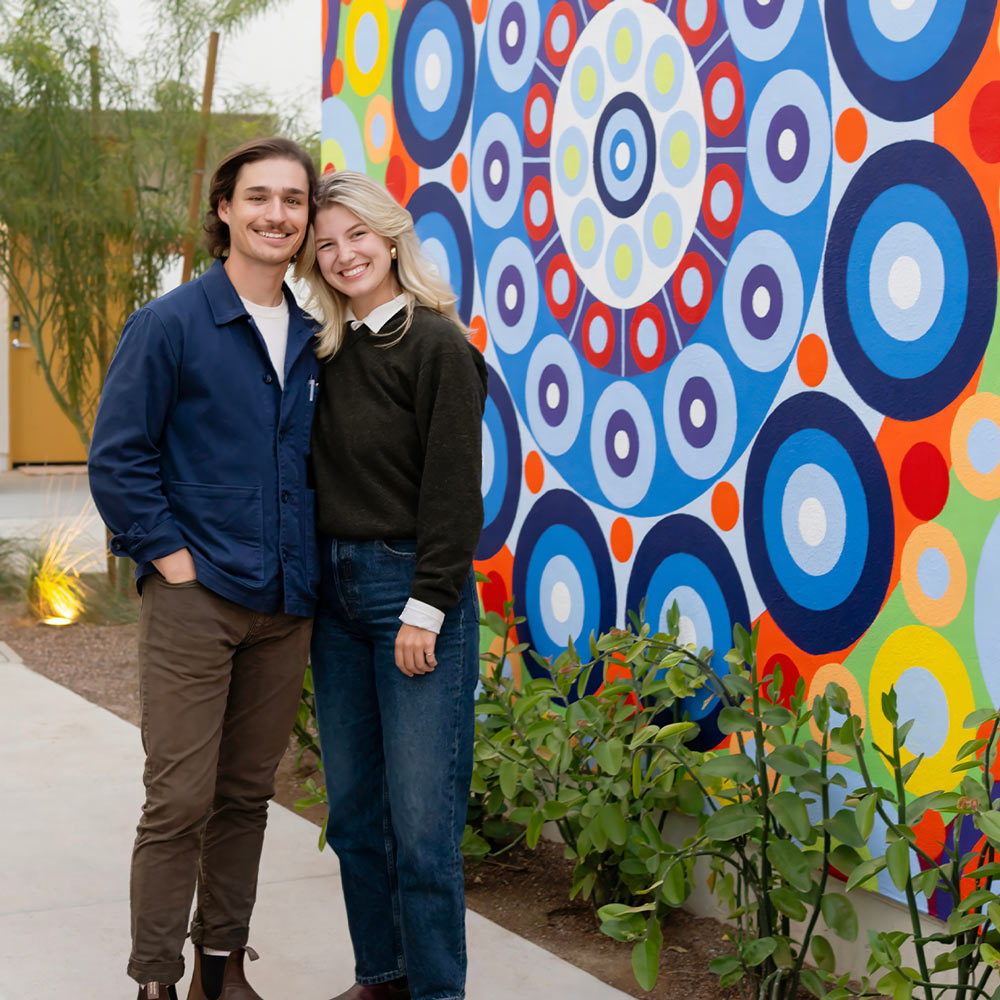
You could call Brad Biehl (BS Business Entrepreneurship ’21) a walkable communities evangelist. As the founder and voice of Good Traffic, a weekly podcast about walkable urban design, Biehl talks to experts nationwide about turning America’s built environment into something you could stroll or bike through to manage your daily transportation needs.
Why is Biehl a fan of walkable communities? For one thing, he walks the talk about them, covering about 10 miles a day on foot, bike, or public transit. As a master’s degree candidate in landscape architecture at Ohio State University, Biehl is also well-versed in the benefits of walkable communities, including reduced expenses for individuals.
 I want to design greenways and public spaces that can help people move differently.

“The average cost of a new car in the United States last year was $48,000, and the average cost most people spend to operate and own an automobile is as much as $15,000 per year,” he says. Walking, using public transportation, and renting cars can be much more affordable.
Walking to and from daily destinations has health benefits, too. Biehl points to differences between the U.S., with an obesity rate of more than 42%, and the Netherlands, where less than 17% of people are obese. “I would guess the United States has far more gyms than the Netherlands does, but their population has better physical health than ours,” he says. This is because many Dutch communities are walkable. “They have small, low-impact doses of activity baked into their everyday life, and we don’t.”
There’s also a mental health perk from walkability. This is partly due to the likelihood of running into others walking through the neighborhood and because walkable communities have more “third places” nearby.
“Your first place would be home, your second place is work,” Biehl explains. Third places are spots you regularly visit, such as parks, churches, libraries, a coffee shop, a bar — anywhere you can go “to meet people who may become friends or business partners, or just provide interaction that helps you mentally.”
Walkable communities have benefits for the community itself, as well. “When you build only single-family homes and large lot sizes, you reduce your taxable value per acre,” Biehl says. “The more you build sprawl, the more challenging it gets for a city to have a viable path forward economically.”
Biehl has advocated for walkable communities for years through marketing roles and his weekly podcast. Now, along with storytelling, he is two years away from a master’s degree that will enable him to build the kind of spaces he’s passionate about.
“I want to design greenways and public spaces that can help people move differently,” he says. “I’m motivated to present a convincing alternative to the sprawling neighborhoods that folks are used to seeing here stateside; something that speaks to their lifestyle, health, and wallet.”
(MBA ’22)
To drive or not to drive
Nearly 80% of people surveyed by the National Association of Realtors in 2023 said that being a short walk away from shops and parks was very or somewhat important to them. Of those people, 78% said they’d be willing to pay more to live in a walkable community.
Culdesac Tempe, the first car-free community built from scratch in the U.S., is one place where such folks could find what they’re looking for.


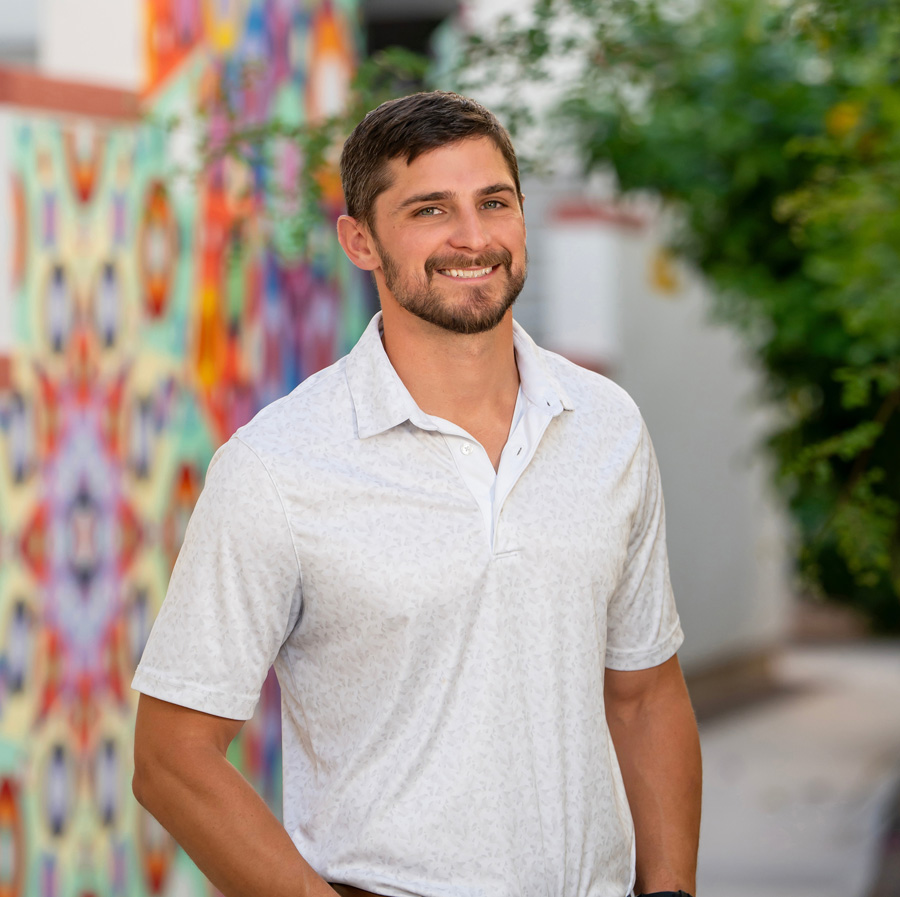
The development is 17 acres of homes, retail, restaurants, and courtyards near downtown Tempe, right next to a light rail station. “We have so many amenities that people want, instead of empty parking lots and parking spaces used only 5% of the time,” says Rob Maloney (MBA ’22), head of marketing for the development. Along with the conveniences noted above, there’s a corner market for everyday essentials and a community gym.
People who lease apartments in Culdesac Tempe sign agreements affirming that they won’t park on site. Maloney says many don’t even have cars, adding, “A lot of people think we’re against cars, but we’re against car dependency.”
To support that, the development gave e-bikes to the first 250 renters, has a bike shop on the premises, gives all residents light rail passes, and has a car-sharing operation on-site that lets residents rent a ride for $5 per hour.
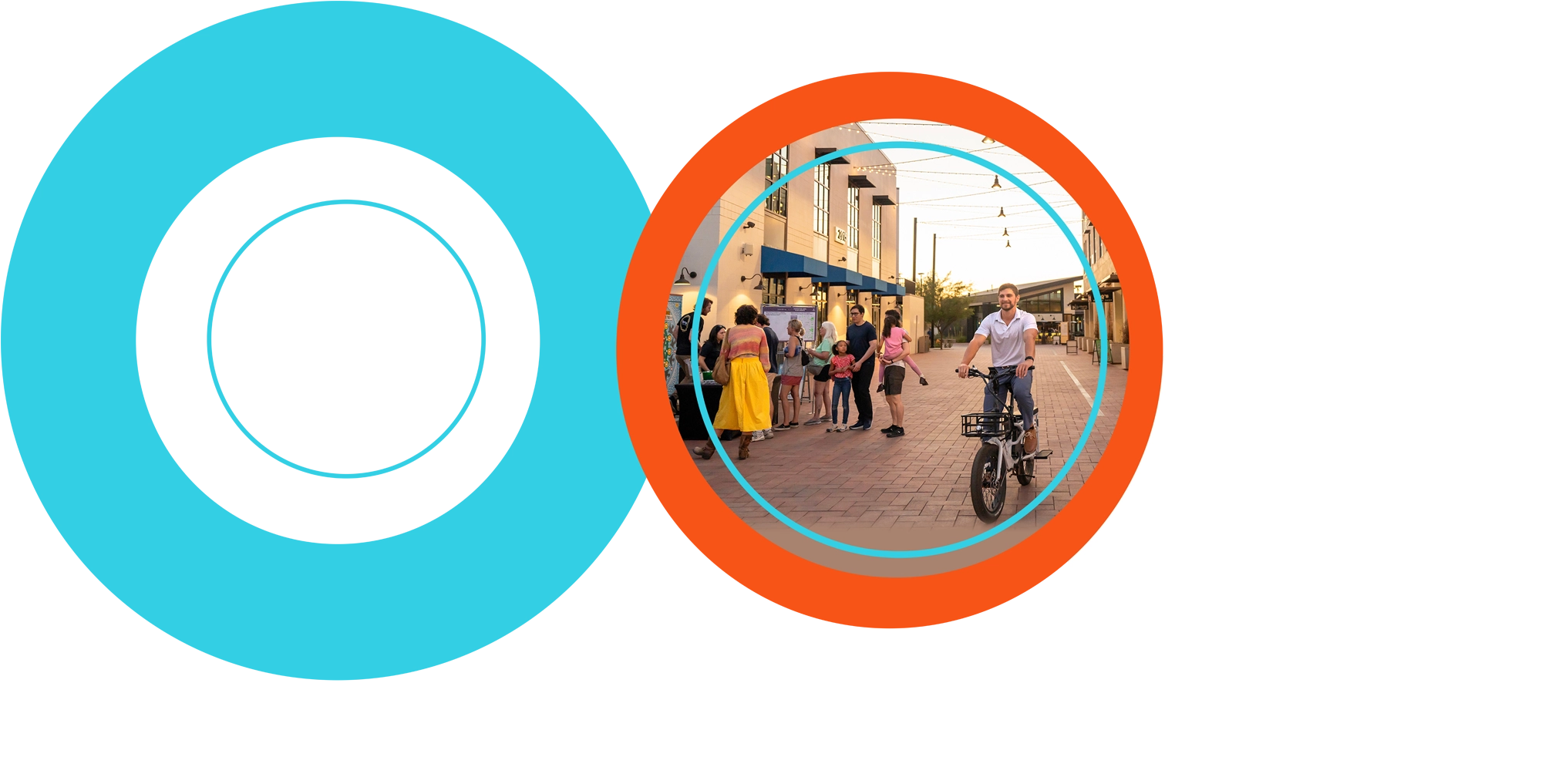
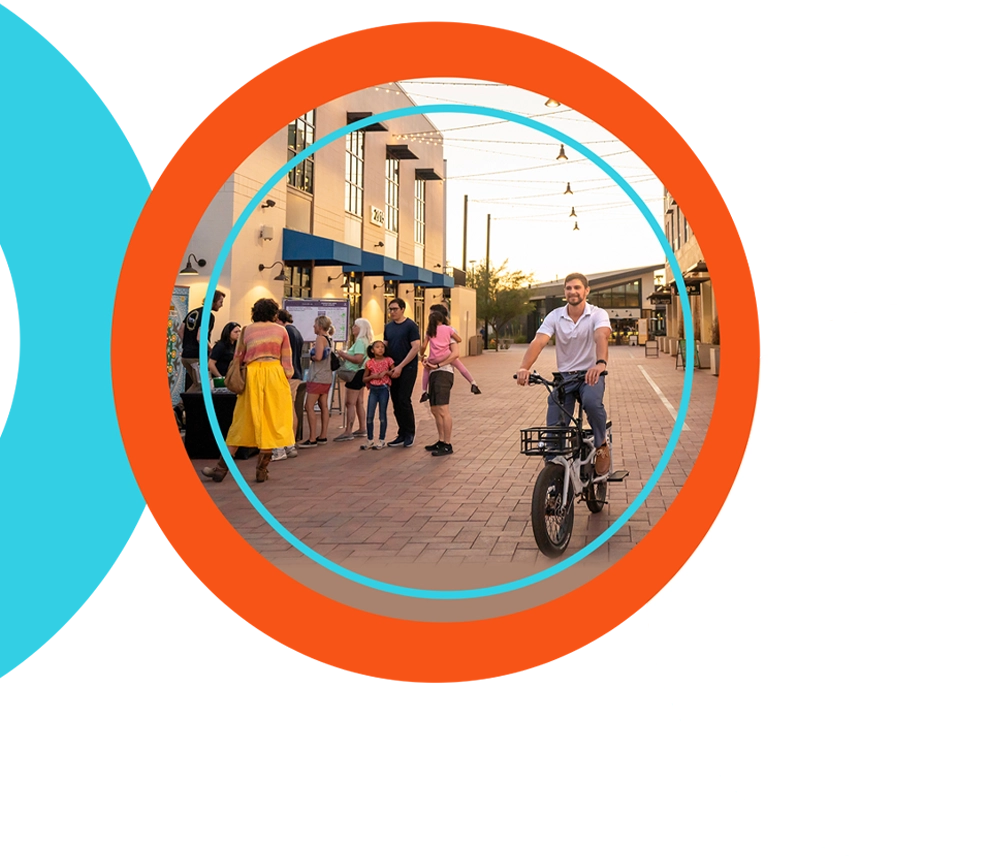
To foster community, the neighborhood throws events. “We often host a large night market or farmers market, inviting people to sell their goods. Or we might have a food truck set up nearby,” Maloney says. In addition, Culdesac’s management keeps a fund to help residents host events.The result is a neighborhood that fosters fellowship and healthy living. One resident who moved from the suburbs to Culdesac says he made more friends in six months than during 15 years of suburban living. Another resident says she lost 25 pounds in her first year at Culdesac. Blind residents, who’ve never driven, gain more freedom; they say they love the convenience of nearby amenities and public transportation.
Maloney doesn’t live in Culdesac, but this avid bike rider and Ironman triathlete can get there in less than 10 minutes from home. He’s a natural for his marketing leadership of this novel community. “I haven’t had a car in eight years,” he says.
Getting the fix on home maintenance
Few things are more irritating to a rental property resident than an unresponsive landlord. The air conditioner that quit working, the dripping faucet, or the icemaker that leaves a puddle of water under the fridge can annoy people. The 2023 Census Bureau Household Pulse Survey found that 30% of tenants felt pressure to move because the landlord wasn’t making repairs.
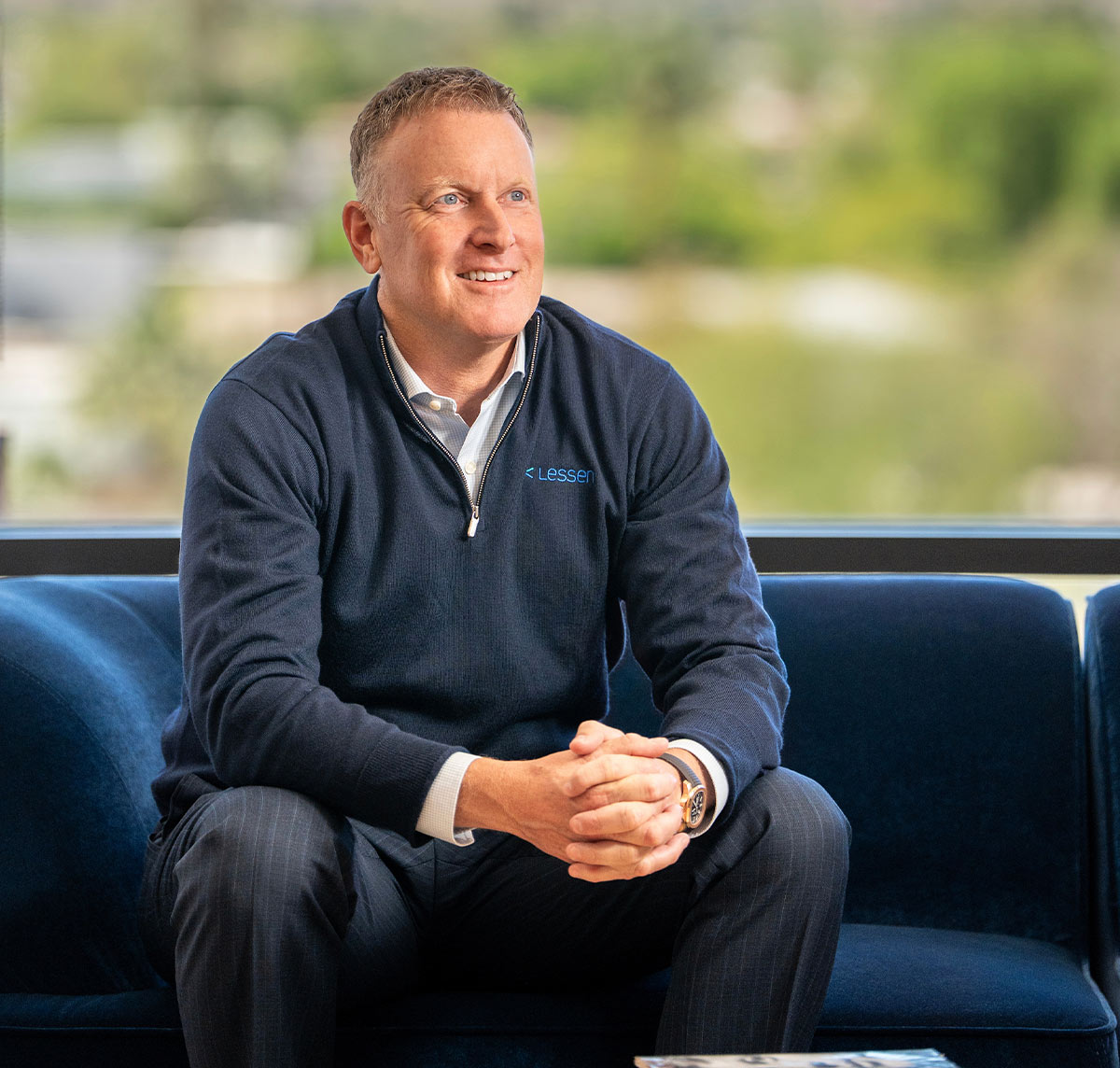
Jay McKee
(BS Marketing ’97)
Jay McKee (BS Marketing ’97) knows how important repairs are because he founded Colony American Homes, a provider of single-family rental homes. Under McKee’s leadership, the company acquired some 36,000 properties. “I saw that the resident experience would be determined by how we could maintain the homes and answer requests for repairs,” he says.
After selling Colony in 2016, McKee noticed another significant trend in the real estate market. “All this technology started becoming available. Bluetooth, Wi-Fi, Z-Wave, cameras, smart home devices … we can use this technology to better support the day-to-day needs of a homeowner or occupant of a property,” he says. McKee launched Lessen, a company that automates service in home repair and maintenance for landlords and other residential or commercial property owners.
Property owners and renters use the Lessen technology app to order repairs, getting fixed pricing that Lessen negotiates with service providers, who pay a fee to be validated by Lessen and be part of the provider network. Lessen receives a small percentage of the repair cost for each job.
Part of the efficiency built into Lessen’s platform comes from artificial intelligence. AI helps residents and service providers coordinate their schedules and prompts vendors to get to the residence on time. The app maintains a database of the equipment at each covered site and the service manuals for all those household appliances, so it can often walk renters through a fix on their own. Renters solve about 30% of issues this way.
Some 85% of problems get fixed without human intervention from a Lessen employee. The app helps residents diagnose the issue, connect to the best available vendor, schedule the repair, sign off on it, rate it, and close out the ticket, McKee notes. Then, 99% of invoices get paid without human intervention, too.
Today, Lessen reduces time, costs, and effort for property owners by managing some 4 million service repair requests per year. “That’s nearly 11,000 a day,” McKee says. He adds that landlords see better renter retention because repairs get done quickly and well. Lessen’s app satisfaction among resident users is north of 96%.
Churchill was right. The places we build go on to shape our character, our choices, and our communities. Whether it’s a reimagined office space, a walkable neighborhood, or a car-free lifestyle, real estate doesn’t just reflect how we live — it quietly defines it.
