


W. P. Carey School of Business Arizona State University Autumn 2026


Dean’s Letter

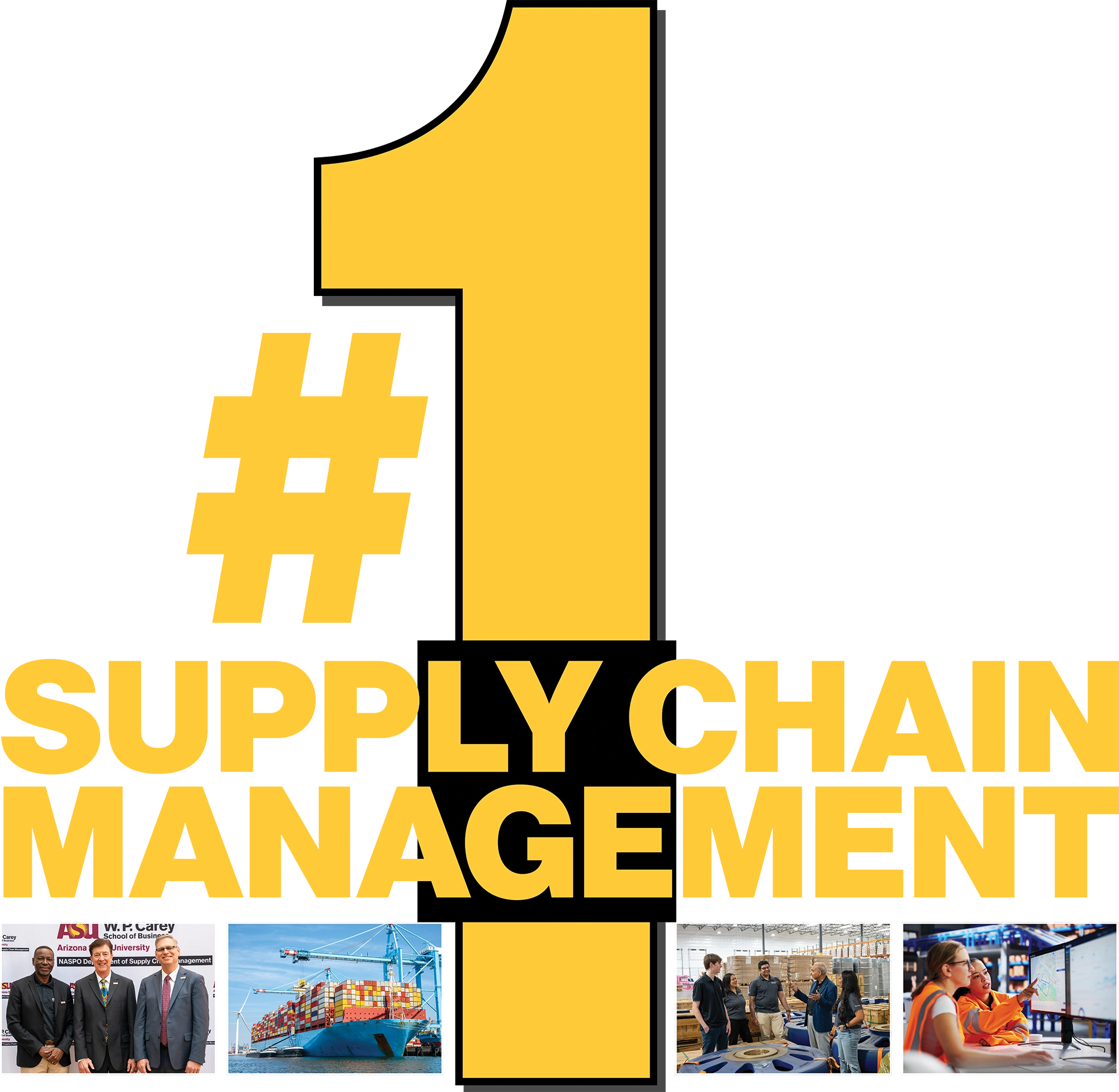
Our cover story explores the historic $35 million gift from the National Association of State Procurement Officials to our newly named NASPO Department of Supply Chain Management. This milestone comes as our undergraduate supply chain management program ranks No. 1 in the nation among all universities, public and private, according to U.S. News & World Report. This recognition affirms the program’s strength, while the NASPO partnership will expand research, strengthen academic programs, and prepare future procurement professionals to address increasingly complex supply chain and public sector challenges.
You’ll also meet Bob Maguire (MBA ’13) and Jaime Leija (BS Management ’03), two alumni who are reshaping wound care through regenerative medicine. Their $2.2 million commitment will establish a sales and innovation lab, creating hands-on learning, scholarships, professional development, and other opportunities for students in our Professional Sales Program. Their story demonstrates how alumni can transform business success into meaningful opportunities for the next generation.
Another highlight in this issue is our new Center for Olympic Studies. It is one of only four U.S. centers in the International Olympic Committee’s Olympic Studies and Research Centres network. The center brings together faculty, students, and industry leaders to advance research and foster learning, leadership, and global engagement.
Each of these milestones reflects what is possible when universities, industry, alumni, and communities work together toward a shared vision. Thank you for your continued support and partnership. Together, we are advancing knowledge that matters, preparing business leaders, and creating lasting impact for Arizona and beyond.
Regards,

Charles J. Robel Dean
Professor and W. P. Carey Distinguished Chair in Business
W. P. Carey School of Business
Arizona State University

Overheard From Faculty, Students, and Alums
Gregory Collins
assistant teaching professor, NASPO Department of Supply Chain Management
Congratulations to the newest class of supply chain talent from SCM 479 Supply Chain Strategy. This extraordinary group includes many of the inaugural graduates of the newly named NASPO Department of Supply Chain Management. Life, liberty, and the pursuit of supply chain happiness — and big bucks — is alive and well in Tempe.
Min Kim
Walking into the NASPO Department of Supply Chain Management naming ceremony, I wasn’t sure what to expect, but I knew I would learn something new. I left inspired by the partnership between NASPO and ASU, the real-world stories behind it, and the impact the collaboration has created over time. I continue to be amazed by the breadth of initiatives ASU is pursuing both locally and globally.
We marked a milestone for the NASPO Department of Supply Chain Management as we celebrated the department’s official naming, made possible by the National Association of State Procurement Officials’ extraordinary and unprecedented
The event brought together NASPO board members and executive leadership, chief procurement officers from across the country, ASU leadership, W. P. Carey administrators, Supply Chain Executive Consortium partners, faculty members, and students to celebrate a transformational investment in the future of supply chain education.
W. P. Carey Magazine Volume 13, Issue 1, Autumn 2025 Masthead

Volume 14, Issue 1, Autumn 2026
Ohad Kadan
Charles J. Robel Dean,
W. P. Carey Distinguished Chair in Business
Sarah Allender
Director of Alumni Engagement
Theresa Shaw
Assistant Director of Alumni Relations
W. P. Carey Alumni
wpcarey.asu.edu/alumni
Facebook
facebook.com/wpcareyschool
LinkedIn
wpcarey.asu.edu/linkedin
W. P. Carey HQ
wpcarey.asu.edu/hq
Shay Moser
Senior Creative Director
Tim Debevec
Principal Photographer
Shelley Valdez
Staff Contributors
Perri Collins, Langston Fields, Raquel Harris, Sharon Liu, Molly Loonam, Kasey McNerney, Tiana Morgan, Isys Morrow, Hannah O’Regan, Alyssa Pereira
Contributors
Claire Curry, Betsy Loeff, Teresa Meek, Seb Murray, Brent Ruffner, Jennifer Daack Woolson
Senior Managing Editor
W. P. Carey School of Business
Arizona State University
PO Box 872506
Tempe, AZ 85287-2506
Changes of address and other subscription inquiries can be emailed to: editor.wpcmagazine@asu.edu
W. P. Carey magazine is a publication of the W. P. Carey School of Business at Arizona State University © 2026
Send editorial submissions and letters to: editor.wpcmagazine@asu.edu
Table of Contents
UPFRONT
FEATURES


DEPARTMENTS
- Three W. P. Carey alumni turned entrepreneurial ambition into a successful consulting firm and a spot on Arizona’s Forbes 30 Under 30 list.
- Micah De La Torre worked his way through ASU, balancing multiple jobs and graduating debt-free as a first-generation college student.
- The Class of 1976 reflects on five decades of change in business — and the values that endure.
- HonorHealth CEO and Executive of the Year Todd LaPorte explains what truly moves the needle in leadership.
The AI classroom
On campus, another student debates a simulated corporate stakeholder.
In an online course, an AI-generated version of the professor helps deliver course content.
Inside the AI-enhanced classroom
One tool Ikram highlighted during the event was NotebookLM, which turns lectures, readings, and case studies into audio summaries. For students balancing work, classes, and family responsibilities, flexibility matters. Students can review lectures and readings while exercising, commuting, or handling responsibilities outside the classroom.
Ikram also uses the ASU-developed CreateAI Builder to design AI assistants that guide students through case study analysis and answer common course-related questions, freeing up time for deeper discussions in the classroom.
Building a business around what matters
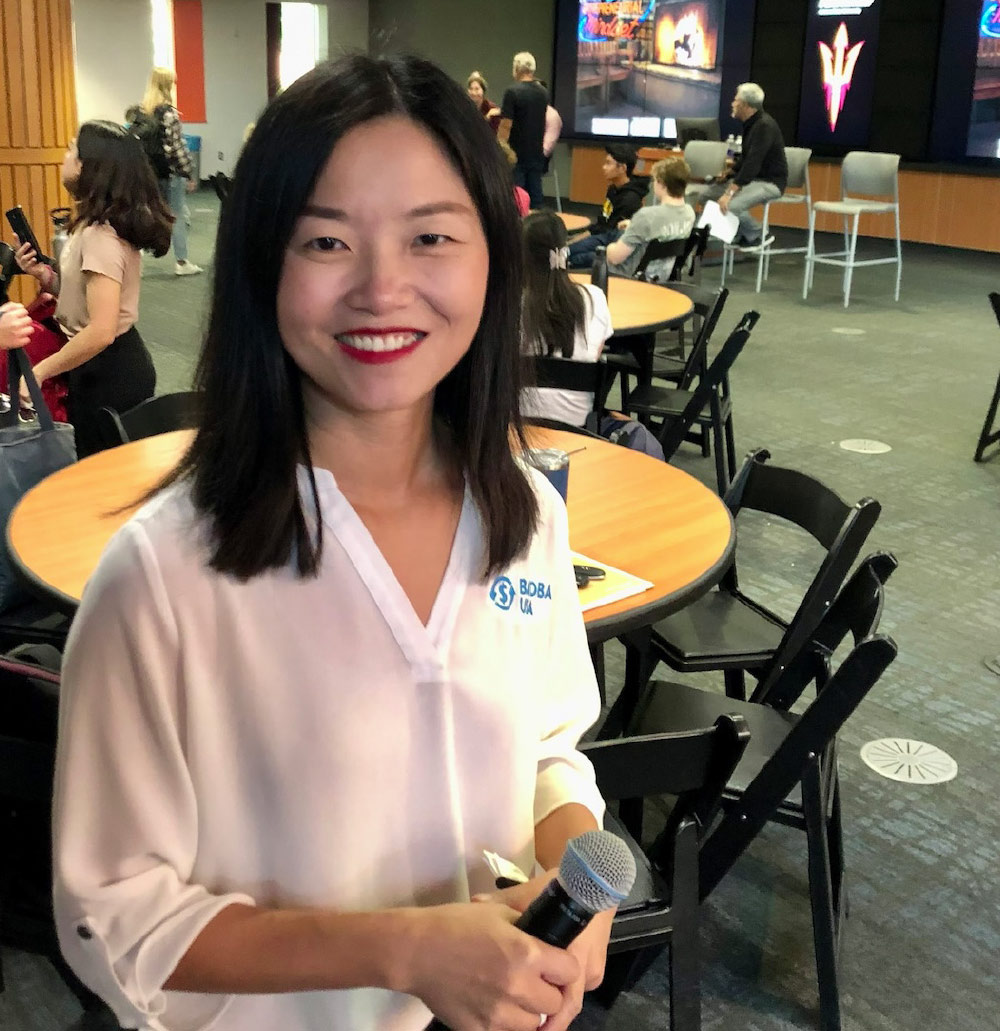
“Entrepreneurship and innovation became especially appealing during my second maternity leave,” Zhu says, “when I felt a strong desire to design work around family, personal growth, and meaningful work instead of a traditional corporate path.”
That desire eventually led her to W. P. Carey’s Master of Science in entrepreneurship and innovation (then known as the Master of Science in innovation and venture development), where she learned to turn an idea into a business.
During the program, Zhu refined her business idea through coursework, faculty mentorship, and feedback from her classmates. “Classmates and faculty offered honest feedback, accountability, and new perspectives that helped shape the business,” she says.
Since graduating, Zhu has grown BAOBA USA into a fee-only registered investment advisory firm and coaching business focused on helping couples navigate financial planning together.
Your W. P. Carey community: 1 place to connect
1 place to connect

Designed as the digital home for W. P. Carey alumni, HQ makes it easier to connect with fellow graduates, grow your professional network, and stay engaged with the school throughout your career. Join communities based on professional interests, academic connections, locations, class years, and more; discover events and resources; exchange ideas and insights; and keep up with what’s happening across W. P. Carey.
Reconnect with classmates, find fellow Sun Devils in a new city, expand your network, or share a career opportunity or industry insight.
You can also engage with faculty and the school, celebrate fellow alumni, and discover ways to get involved.
RSVP for alumNI events
Advancing Careers, not interrupting them

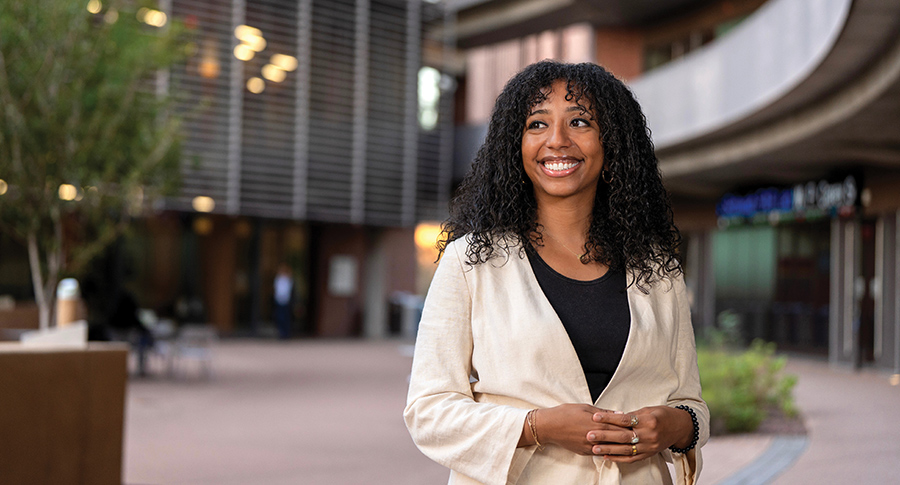
(MBA ’26)
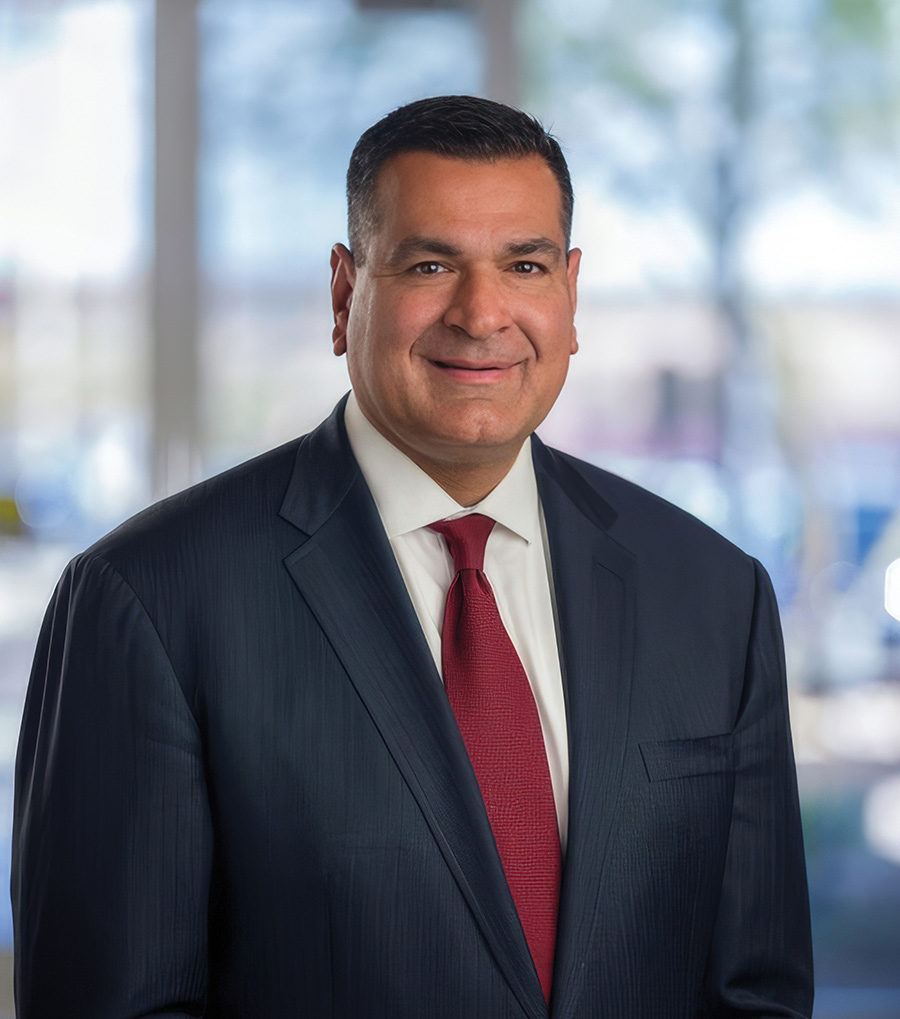
(MBA ’25)
(MBA ’26)
(MBA ’25)
Business education must evolve to meet professionals where they are, and W. P. Carey has responded with flexible degree programs and stackable certificates built for immediate workplace application.
Learning without pressing pause
For Layla Gabir (MBA ’26), that flexibility has made all the difference. Gabir works full time as an epidemiologist for Maricopa County while also teaching yoga classes.

ASU expands its global reach with London launch
Designed for aspiring global leaders, the bachelor’s degree in business management integrates academic rigor with real-world application. Through project-based learning, students explore business, strategy, innovation, sustainability, technology, and leadership. Courses are delivered by ASU London faculty and draw on the W. P. Carey School’s global expertise in business education.
In three years, students can complete a U.K.-accredited bachelor’s degree that connects to several one-year W. P. Carey master’s degree programs, creating a pathway to two degrees in four years. The experience develops the cross-cultural agility needed to lead in a rapidly changing world.
“We’re in the business of changing people’s lives and changing people’s futures,” says ASU President Michael M. Crow. “We will continue expanding our efforts to engage learners all over the world.”
Leading real estate’s next chapter
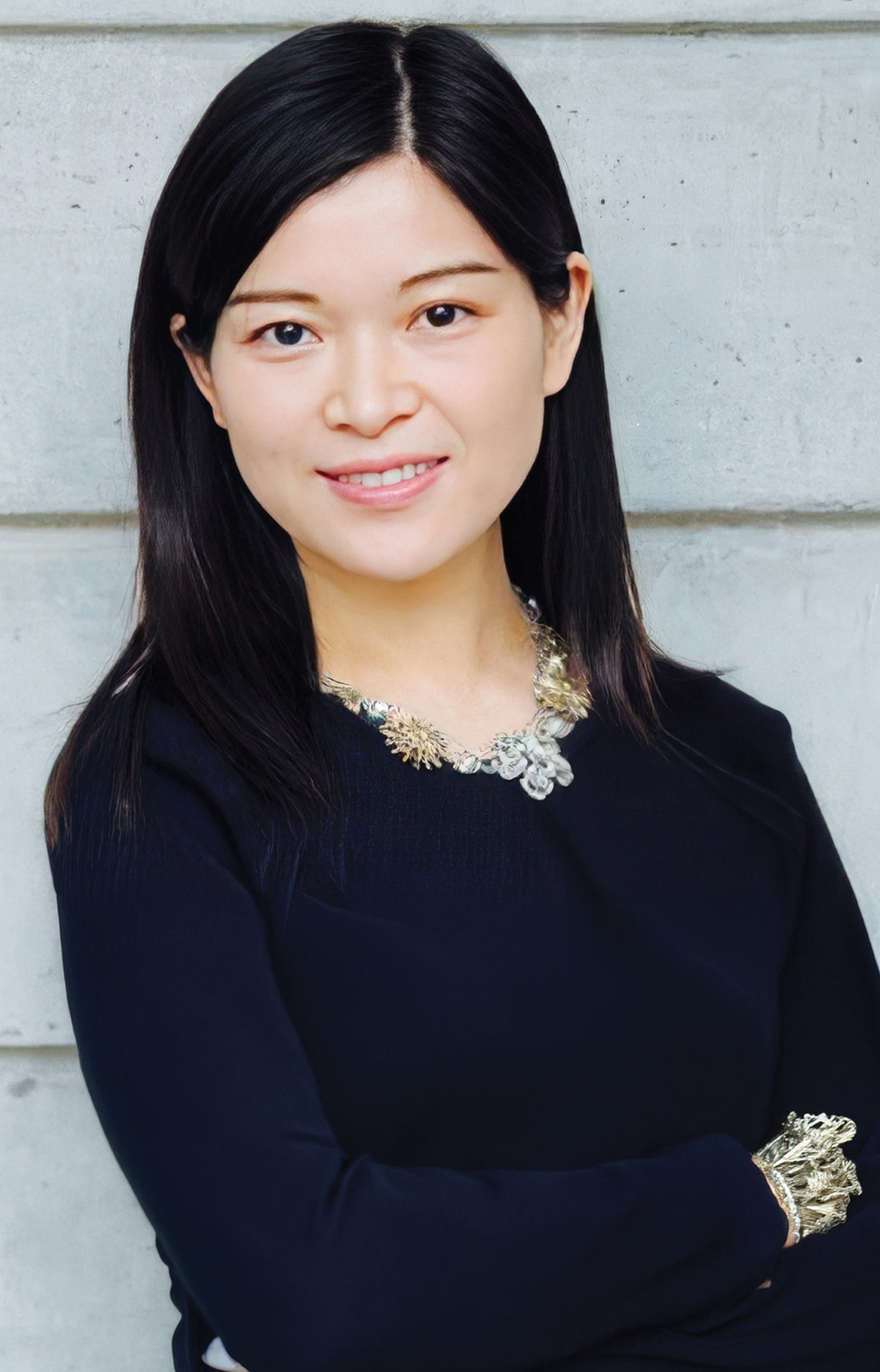
Recognized as one of the world’s leading real estate scholars, Han studies housing affordability and sustainability, real estate market structure, and mortgage markets. Her research has appeared in top finance, economics, and real estate journals, helping shape research and policy.
“We are thrilled that we were able to attract Lu Han to ASU and welcome her as a colleague in our department,” says Associate Professor Laura Lindsey, chair of the Department of Finance and Cutler Family Endowed Professor. Lindsey also points to Han’s ambitious research agenda and commitment to mentoring others.
Working alongside Executive Director Tom Johnston, Han will lead the center’s research mission, strengthen its role as a hub for scholarship and industry engagement, and help address pressing challenges facing real estate markets.
Han’s appointment was made possible by the W. P. Carey Foundation’s gift to establish the center and expand the school’s impact in real estate education, research, and industry engagement.
Building a shared economic future in the West Valley
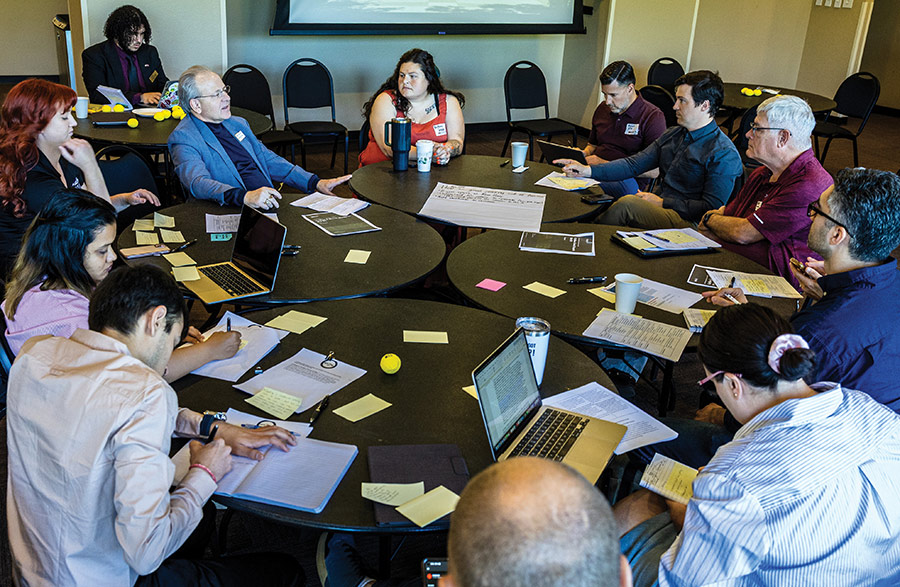
Photo by Charlie Leight/ASU News
Hosted by W. P. Carey’s Center for Small and Medium-sized Businesses, the Small Business Summit highlighted the growing impact of the SMB (small and medium-sized businesses) Lab, a university-wide initiative that has helped 41 Arizona SMBs tackle operational and growth challenges through 17 hands-on consulting labs. Business owners, students, and faculty exchanged ideas about supply chain resilience and strategies for business growth.
Throughout the event, speakers emphasized a central theme: Small businesses thrive when communities, universities, and industry work together.
Dean Ohad Kadan pointed to the development of the School of Technology, Innovation, and Entrepreneurship on the West Valley campus as part of ASU’s broader effort to support the region’s rapid technological growth while creating stronger pathways for entrepreneurs and small-business owners.
“There are approximately 36 million small businesses in the United States, representing 99.9% of all U.S. businesses and employing more than 62 million Americans,” he said. “Most people focus on the handful of the largest corporations, but the real economic engine lies in the millions of small businesses that power communities across the country, generating 40% of our gross domestic product. We at ASU decided to strengthen this critical economic engine for our country.”
Backing Arizona’s next founders

Photo by Samantha Chow/ASU
early-stage funding.
What surprised him was the scale of its early success: In its first year, Accelerator participants secured funding commitments totaling more than $750,000.
“I was pleasantly shocked,” says Byrne, the director of the Center for Entrepreneurship and New Business Design.
The Accelerator program builds on ASU’s broader entrepreneurial ecosystem by collaborating with investors and best-in-class programs such as the New Venture Challenge, the National Science Foundation I-Corps, Luminosity Labs, and InvestU. Its focus is helping founders bridge the gap between campus entrepreneurship and outside investment.
“ASU is excellent at helping people begin their entrepreneurial journey,” Byrne says. “This program supports founders with investable startups through hands-on support and training designed to help them secure outside investment and grow beyond the university setting.”
Initially open only to ASU students, faculty, and staff, the program expanded this fall to include alumni and community founders.
“The Accelerator program helps founders take the next step,” Dean Ohad Kadan says. “It’s about giving entrepreneurs the tools, mentorship, and confidence to grow.”
Inside the ‘Bloomberg Room’
Launched in 2024 with support from the Charles Schwab Foundation, the Financial Access and Research (FAR) Lab provides students with access to the same tools used across the global finance industry. More than 250 students from finance and other disciplines, including supply chain management majors, have joined the lab.
Through the FAR Lab, students use the Bloomberg Terminal to analyze markets, build models, track data, and follow real-time financial news on the same platform used widely in banking, asset management, and corporate finance, but access is often limited because of its cost.
“One of the benefits of having a devoted, visible space is that it sparks the curiosity of students who might not have previous exposure to opportunities in finance,” says Associate Professor Laura Lindsey, chair of the Department of Finance and Cutler Family Endowed Professor.

Next generation of health care innovators arrive at ASU

This fall, the McKenna Program welcomed its inaugural cohort of 28 students, beginning with the McKenna Summer Bridge Program in August. Students connected with classmates, explored university resources, experienced Dreamscape Learn, and visited Mayo Clinic and the Health Futures Center, where they discovered career opportunities in the Valley’s thriving biotech and biomedical industries.
“Through this program, I hope to make my solutions into life-saving market realities,” says Aditi Sekar (BS Business Entrepreneurship/Biomedical Sciences ’30). “Ultimately, it reinforced my passion for making a tangible impact on the future of biotechnology.”
Turning calls into connections



For some students in the W. P. Carey School’s Professional Sales Program, that moment became an opportunity to support future Sales Scholars.
Part of the Department of Marketing, the Professional Sales Program prepares students for sales careers through hands-on learning and industry partnerships. Each year, the program selects its top 20 students as Sales Scholars.
On Sun Devil Giving Day, the university’s annual philanthropic event, the Sales Scholars held their second annual call-a-thon to raise funds for the Professional Sales Program Scholarship Fund, which helps Sales Scholars offset tuition, books, and other expenses.
Faculty leaders partnered with the school’s Office of Advancement to organize the fundraiser, which debuted last year as the university’s first student-led philanthropic effort supporting the Professional Sales Program Scholarship Fund on Sun Devil Giving Day. “The call-a-thon gave students hands-on sales experience while helping support future Sales Scholars,” says Detra Montoya, clinical professor of marketing and faculty director of the Professional Sales Program.
Instead of calling unfamiliar donors, students reached out to alumni of the Professional Sales Program — many of whom understood firsthand what that scholarship support could mean.
Julie Nelsen, clinical associate professor of marketing, said many students entered the event nervous about making calls but quickly gained confidence through supportive conversations with alumni.
As students grew more comfortable, they made meaningful connections with alumni. One student even planned a golf outing with an alum, while another student received career advice and encouragement that boosted her confidence in pursuing a sales career.
By the end of the call-a-thon, the Sales Scholars exceeded their $5,000 fundraising goal for Sun Devil Giving Day. By the end of the first day alone, they had already surpassed the previous year’s entire two-day total of $3,050. The results underscored not only the strength of the W. P. Carey alumni network but also a culture of giving back, turning cold calls into lasting connections between former and future Sales Scholars.
Beyond the internship
At companies such as Honeywell and the real estate platform SURMOUNT, the longer timeline gives students time to contribute meaningfully while helping employers identify promising talent early.
Dan Trimble, director of IT at Honeywell Aerospace, was surprised by how quickly students became part of the team. “It’s been exciting to have someone start and be able to see the value right off the bat,” he says.
For students, the co-op experience offers something difficult to replicate in a traditional internship: enough time to settle into the rhythms of the workplace. Over six months, students move beyond shadowing meetings and into the day-to-day realities of projects, deadlines, and team collaboration.
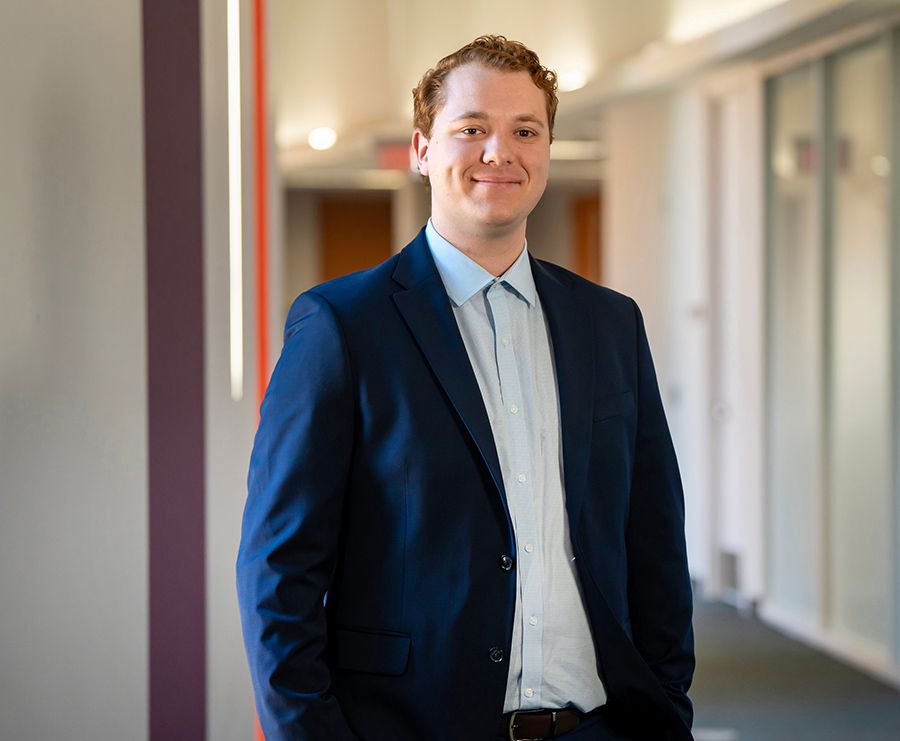
(BS Finance ’26)
From classroom to contributor
“I really wanted that immersion into a professional setting,” Kurimay says. “I wanted to understand office etiquette, project deadlines, and how to work with different types of people.”
Glen Kunofsky, an ASU alum and CEO of SURMOUNT, believes that kind of early exposure benefits both students and employers.
“It’s important for students and young people to understand what jobs are like on a daily basis,” he says.
As an alum, Kunofsky also sees the program as a way to invest in the next generation of business leaders. “It’s exciting to see people coming in and starting their careers,” he says.
Beyond workplace experience, the program helps students build confidence and begin seeing themselves as professionals.
“I want them to see that they can do it,” Trimble says. “That they can look out there, see problems, and have the mindset of, ‘I can do anything.’ ”
Inside the Olympic operation

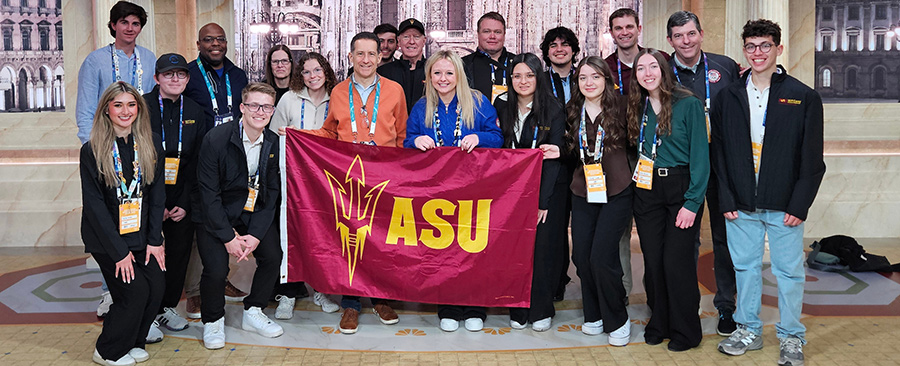
During the 2026 Winter Olympics in Milan, McIntosh led 12 W. P. Carey students behind the scenes through a five-day study abroad program tied to W. P. Carey’s sports business curriculum.
“We weren’t just watching the Olympics,” says McIntosh, teaching professor of marketing. “We were embedded in it, learning how the world’s biggest sporting event actually works.”
The business behind the Games
The experience reflects W. P. Carey’s growing investment in sports business education ahead of the Los Angeles 2028 Olympics, including the school’s new Center for Olympic Studies — one of only four such centers in the nation.
“These events are executed so well that you only notice something when it goes wrong,” McIntosh says. “Our students saw how much coordination goes into every detail, from transportation systems to hospitality and brand presentation.”
Expanding access to experiential learning
“When I saw this opportunity, I knew I could not miss it,” Farr says. “It is something I would regret forever if I did not go.”
For McIntosh, Farr’s participation reflects how experiential learning is reaching students beyond the traditional campus.
“This is a new model for connecting online students to global experiential learning,” he says. “We are expanding who gets access to experiences like this.”

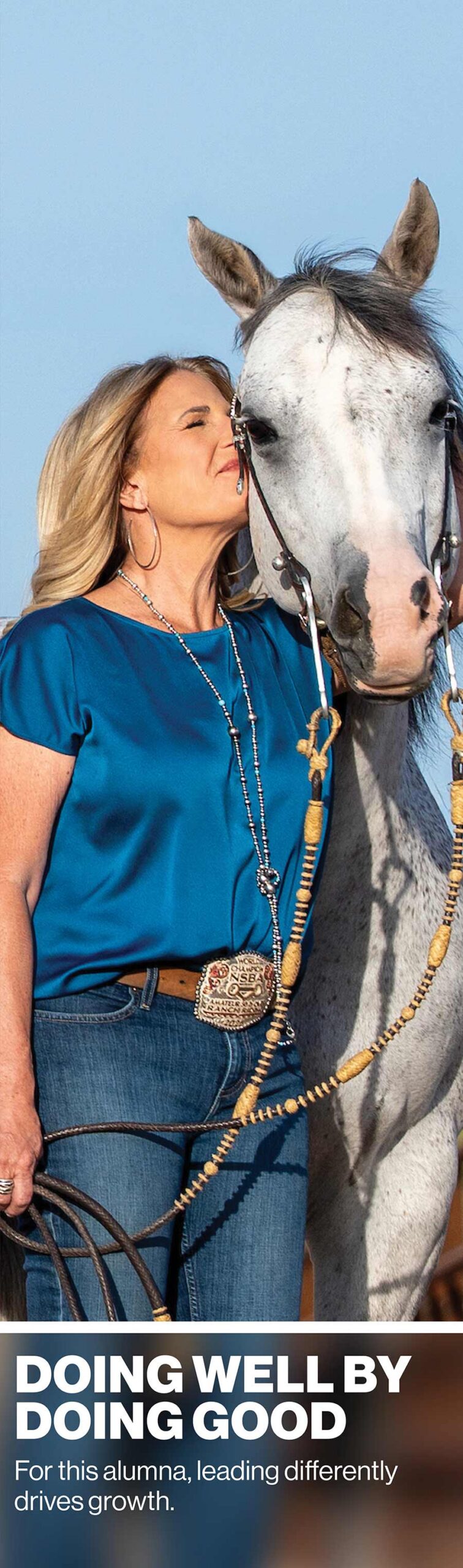
Doing Well By Doing Good

But when she assumed leadership in 1999, it was far from typical for a woman to run a heating, ventilation, and air conditioning company — let alone the largest residential installer in Arizona. In the decades since, Roberts Shank has navigated skepticism and self-doubt, growing the business while imprinting it with her steady blend of innovation, service, and care. At the same time, she remains grounded in the principles that guided her father and grandfather. Her grandfather founded Chas Roberts in 1942, and her father, Chuck Roberts, later led the company.
In November 2025, the W. P. Carey Alumni Hall of Fame recognized Roberts Shank’s trailblazing leadership and long-standing support of women in business.
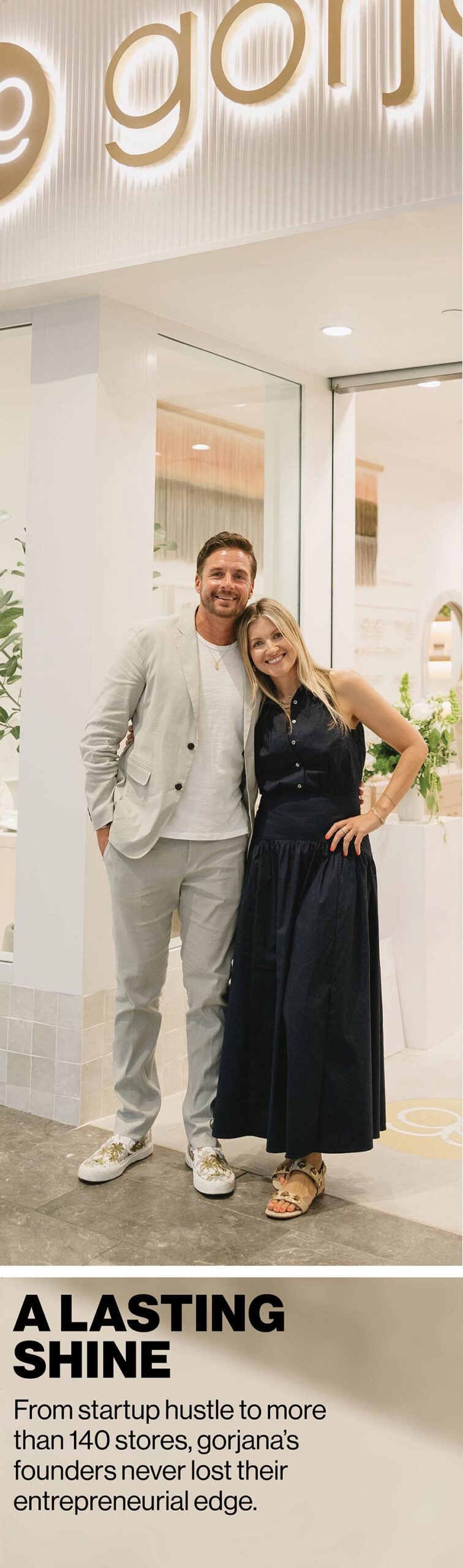
A lasting shine

Instead of derailing the company, the pandemic became a turning point.
Before the pandemic, Jason says, the company was essentially operating four businesses at once: e-commerce, wholesale boutiques, department stores, and its own retail locations.
“We went into COVID as a wholesale business with a website and some stores, and we came out of COVID as a retailer,” he says.
He describes the shift as a now-or-never moment.
“Either we were going to dig in and make this a successful retail business, or we weren’t going to make it,” Jason says. “It forced us, in a positive way, to make some really sharp decisions.”

Rethinking the business of healing
EmeraNova distributes wound care products nationwide and searches globally for technologies that can accelerate healing while lowering costs for providers and patients.
The company’s rapid growth is rooted in decades of experience in sales and management. To support future sales professionals, EmeraNova has committed $2.2 million to establish a sales and innovation lab at ASU, creating new opportunities for students to gain hands-on experience and launch careers in professional sales.
In recognition of their work in advancing wound care and their impact as alumni, Maguire and Leija were awarded the Alumni Achievement Award at ASU’s 2026 Founders’ Day celebration.
The MOMENT that changed everything



For many people, the moments that shaped their lives weren’t promotions or achievements but chance encounters, unexpected challenges, or periods of reflection. We asked five W. P. Carey faculty members and alumni to share the experiences that changed how they see their lives and work. From a last-minute phone call that launched an unexpected career to a healing ride in a racecar, here are their stories.
The last-minute phone call
At 24, Neck was working at a large energy corporation in Texas when he returned to school to earn his MBA. The job looked perfect on paper, but he was unhappy. While working as a graduate assistant for a management professor at Louisiana State University, Neck received a call that would alter the course of his life: The professor had been in a car accident and wouldn’t make it to that evening’s organizational behavior class. Could Neck fill in?
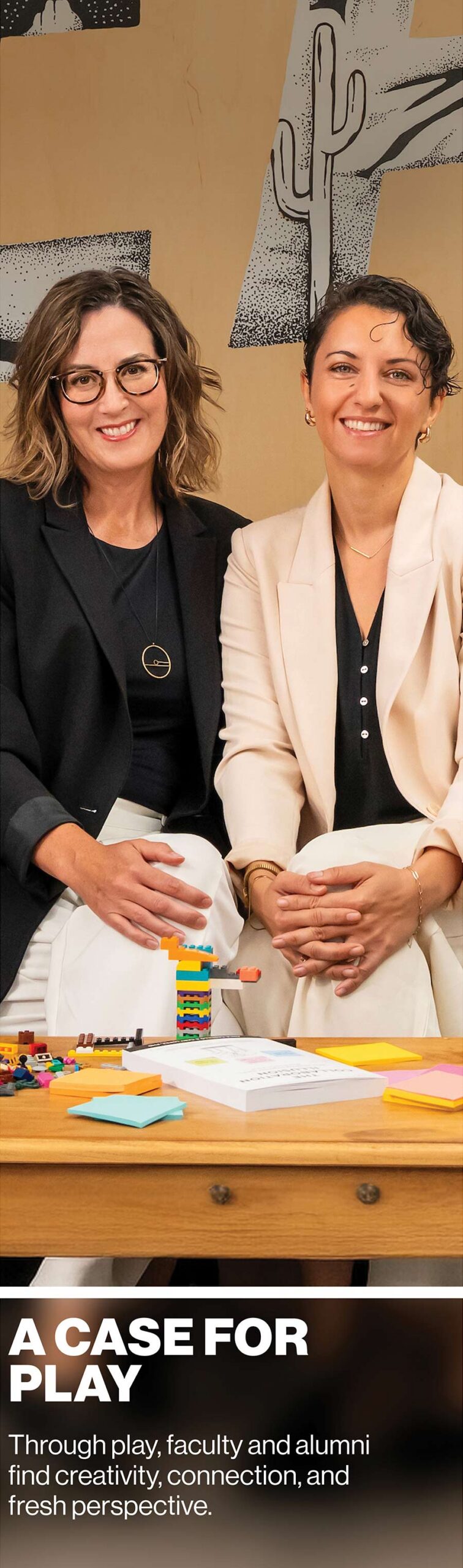
A Case for Play


Whether through experimentation, movement, humor, or hands-on creativity, play creates the conditions for curiosity, perspective, and unexpected insight. These W. P. Carey faculty members and alumni share how play can unlock new ideas, strengthen connections, and fuel both personal and professional success.
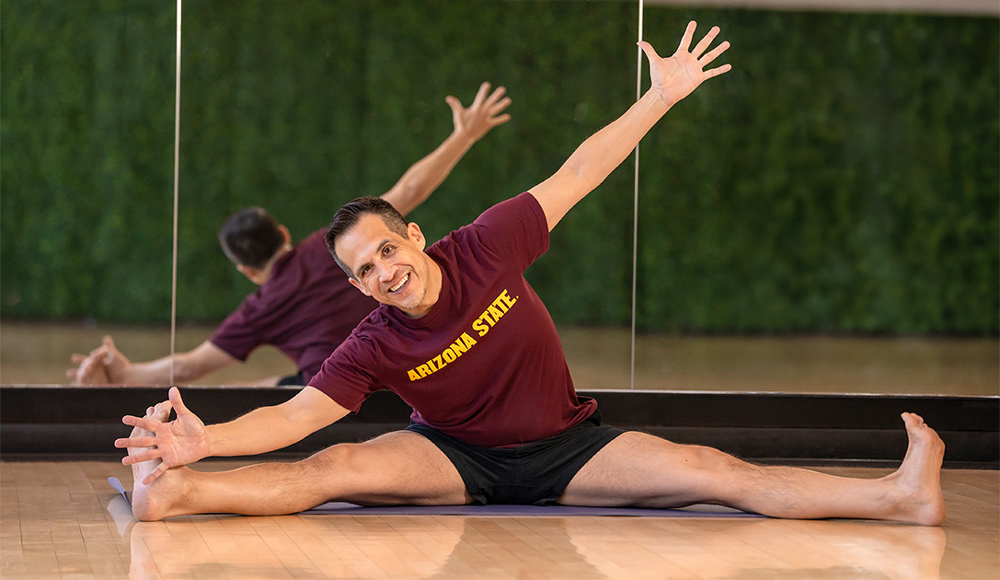
Teaching Professor of Supply Chain Management
Eddie Davila

Play as a way to fail without fear
“When something is fun or makes us feel, we take that away with us,” he says. When teaching 300 students, Davila approaches class like a Broadway production. In sections of 30–40 students, he turns lessons into game shows where students compete for fictional jobs and other low-stakes prizes. His approach creates engaging, if “totally frivolous” scenarios. The philosophy aligns with his definition of play: becoming fully engaged in something that is completely frivolous. That mindset, he believes, gives people permission to attempt difficult things without being paralyzed by the possibility of failure.
Your W. P. Carey advantage

Since then, life may have taken you in new directions — new jobs, new cities, new priorities. Maybe you’ve stayed closely connected, or maybe it’s been a while. Either way, you’re part of the W. P. Carey family for life.
Here are 10 easy, no-pressure ways to reconnect, get involved, and make the most of your W. P. Carey advantage — on your terms.

 People often assume procurement is just about negotiating price,” says Debbie Fogel-Monnissen (BS Accountancy ’87), a 2026 W. P. Carey Alumni Hall of Fame inductee. “But it’s actually strategic.”
Procurement professionals also manage supply continuity and risk while supporting broader business strategy. Their decisions can have an impact far beyond the organization. “When companies rethink where they source or produce goods, that changes how communities function and thrive,” Fogel-Monnissen says.
Fogel-Monnissen, who served as interim CEO of the Institute for Supply Management from February through Oct. 1, has watched procurement evolve from an invisible back-office function to one that gets C-suite attention. The National Association of State Procurement Officials (NASPO) sees that evolution as an opportunity to elevate the profession and prepare its next generation of leaders. In 2025, NASPO committed $35 million to W. P. Carey to advance procurement education, research, and career development.
“If you’re trying to elevate a profession, you need to think beyond the people currently in the profession,” says NASPO CEO Lindle Hatton. “You also need to have an impact on fresh minds and create a career path.”
Meet NASPO: The public purpose behind procurement

NASPO supports those leaders — and the broader public procurement profession — in several ways. NASPO ValuePoint, the association’s cooperative purchasing program, combines the buying power and expertise of states and other eligible public entities to provide competitively sourced contracts for goods and services. Procurement U, NASPO’s professional development platform, offers training and educational resources for public procurement professionals. NASPO also conducts research, promotes best practices, and helps procurement professionals share information and solutions across state lines.
NASPO CEO Lindle Hatton says public procurement is a great career for “anyone who has aspirational pursuits, wants to make a difference, and wants to be mission-driven.” That belief led Hatton to build a long-standing relationship with W. P. Carey and champion NASPO’s $35 million investment in the school’s supply chain management department.
Why social media suspensions can backfire

The study focused on Zhihu, China’s largest question-and-answer platform and the country’s closest equivalent to Quora. Zhang tracked more than 34,000 active users and found that in the six weeks after a first suspension was lifted, they posted 12.7% more content than they would have otherwise.
A backlash effect
After suspensions were lifted, answers became shorter, more subjective, more negative, and less logical, the researchers found.
The weakest link

The weakest link
Cyberattacks cost the global economy an estimated $600 billion to $6 trillion annually, and according to Thomas Choi, Regents Professor and AT&T Professor of Business, “more than 60% are supply chain-based.”
In research examining supply chain cybersecurity, Choi and his colleagues argue that the Target breach was preventable.
A preventable breach
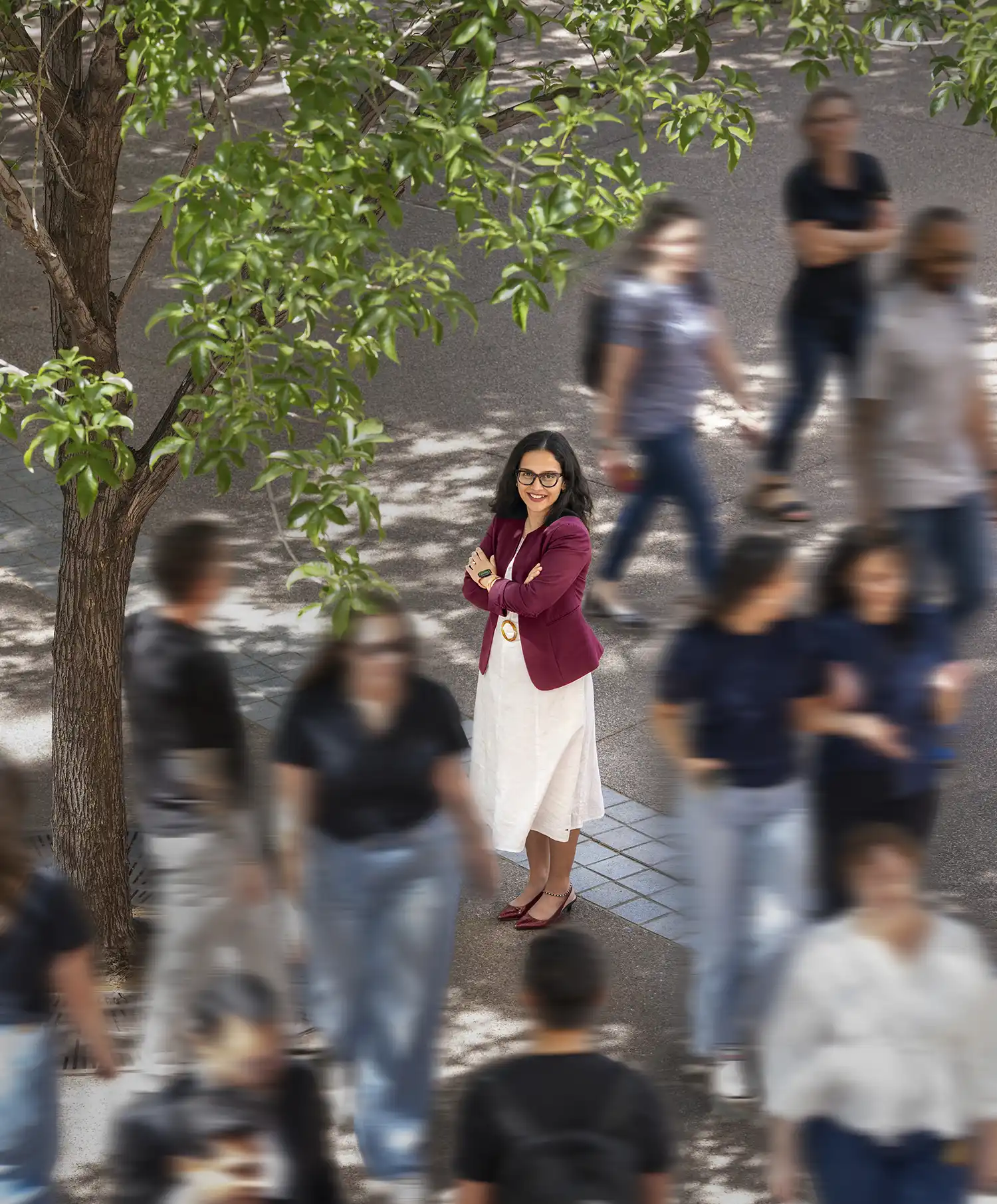
Assistant Professor of Management and Entrepreneurship
Rethinking who gets heard at work

who gets heard at work
Assistant Professor of Management and Entrepreneurship Yasha Spriha studies how employees communicate ideas, concerns, and opinions to superiors at work. Her research focuses on people who experience socioeconomic upward mobility — specifically, those who come from lower social-class backgrounds and make upward transitions into white-collar professions. But as Spriha reviewed existing research on these “upward transitioners,” she noticed a pattern: The research predominantly focused on the challenges and workplace biases they face during upward transitions.
That deficit framing never sat right with her.
“Yes, as the first from your family to get higher education and work a professional job, you might feel like a misfit or face bias,” she remembers thinking, “but it’s so hard to move up socioeconomically. People who have made these transitions must have developed some strengths along the way that help them at work.”
Assistant Professor of Management and Entrepreneurship

Triple threat:
But their accolades have nothing to do with scoring touchdowns or hitting home runs.
Instead, Tristan Gaynor, Kevin Philip, and George Heiler were named to Arizona’s Forbes 30 Under 30 list for 2026.
Each earned a degree in finance and supply chain management from W. P. Carey in 2019.
That same year, the trio founded Anavate, a Phoenix-based consulting firm that helped companies use technology to better plan and forecast performance across finance, supply chain, sales, and marketing.
Class Notes
1970s
1980s
Sharon Clark (MBA ’84) is senior advisor to the chairman of the Surface Transportation Board, an independent federal agency overseeing freight rail and various modes of surface transportation.
Ken Lain (BS Management ’86) has served as president of Watters Garden Center in Prescott, Ariz., for 32 years. He shares gardening advice on his radio show, Mountain Gardener, and in columns published by Prescott LIVING, Prescott eNews, Signals AZ, and the Daily Courier.
Returning with purpose
Mark McKenna (BS Marketing ’02) and Tom Harris (BS Accountancy ’85, MTax ’92) built careers in different industries, but both grounded their success in service, philanthropy, and investing in others.
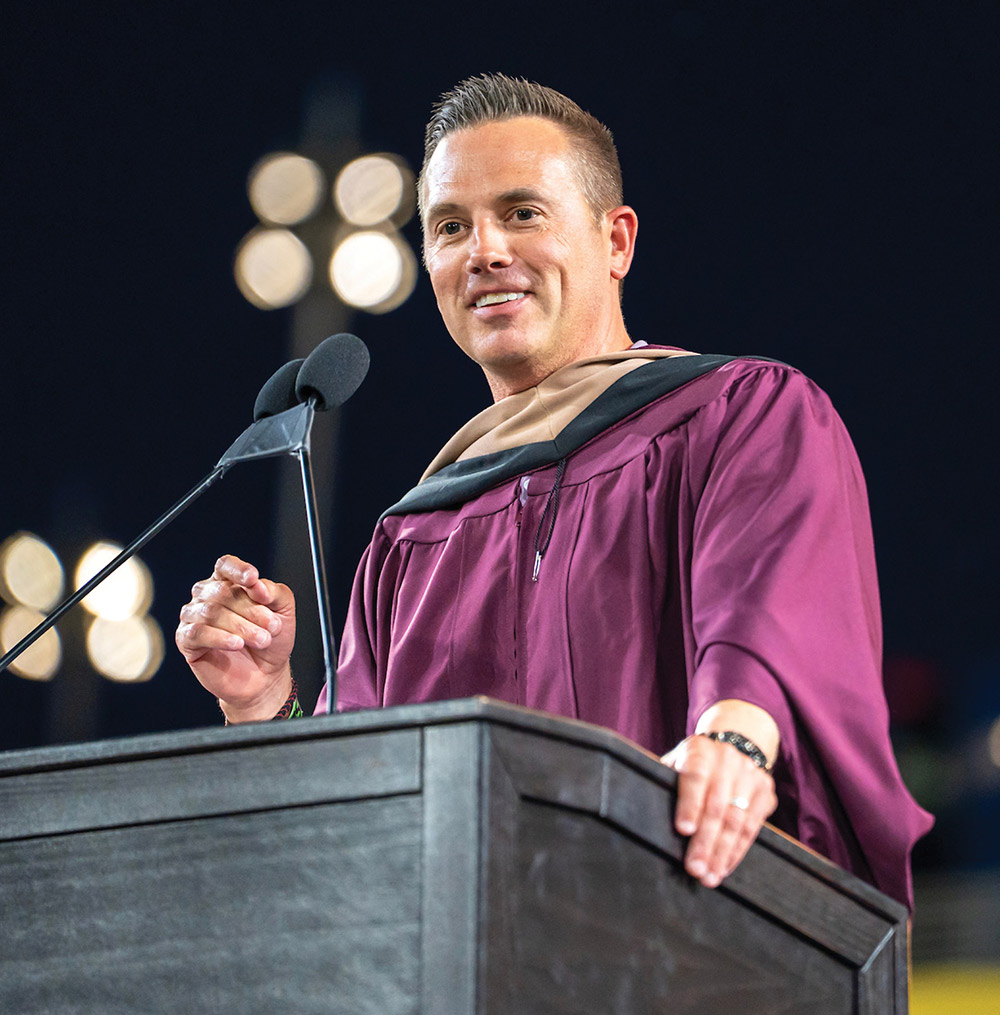
McKenna encouraged graduates to embrace challenges, pursue opportunities, and surround themselves with people who push them forward. Above all, he urged them to use their success in service of others.
“I firmly believe that we were put on this earth to serve others,” he said. “Sometimes, the more successful you become, the easier it is to lose focus on what matters. A life centered on money and fame will leave you empty. A life centered on significance and impact will leave your cup full.”

During his address, Harris reflected on lessons from his career and encouraged graduates to invest in their communities. He pointed to his work with organizations such as the Arizona Diamondbacks Foundation and the Phoenix Thunderbirds as an example of the lasting value of community involvement.
“Being part of these organizations has played a significant role in my life,” Harris said. “They inspired me to serve on charitable boards and give my time, experience, and talents to others. As you grow in your career, I hope you’ll do the same. The needs in our communities will always outweigh the support available. Find your niche and give back.”
As graduates begin their next chapter, McKenna and Harris reminded them that success is not defined solely by what they accomplish but also by whom they help along the way.
In Memoriam
-
2021
Hannah Rose HenryBS Business Entrepreneurship -
2017
Blake Ryan HelmersBS Supply Chain Management -
2015
Tracy A. AdkinsMiMMichael L. SuchockiMBA -
2014
Alexander J. ParmaBS Supply Chain Management, MS-GL ’17 -
2013
Patrick J. KleinMBA -
2010
Sean D. DoctorMBA -
2001
Colin P. AhlerBS EconomicsCasey A. Freeman BatchelorBS Management -
1998
Christopher G. CopelandBS Purchasing/Logistics Management -
1997
Anthony ArambulaBS ManagementChristopher GromekMBARobert A. Hernandez Jr.BS Purchasing/Logistics ManagementJason M. OrlandoBS Finance -
1996
Kenneth A. EikenMBA -
1995
Brett PalmerMS Health Services Administration, MBA -
1993
Lisa S. DendahlBS Finance -
1992
Larry G. PinsonBS Management -
1991
Showyen LiuBS AccountancyChuck L. McWethyBS Management -
1990
Patricia L. MarkiwBS Accountancy -
1988
Ronald J. StracciaBS General Business -
1987
Margaret M. Serrano-FosterBS Accountancy -
1986
Frank F. BranhamBS Computer Information SystemsEdward F. CroryBS EconomicsLinda D. DugganBS Management -
1985
Keith A. LambethBS AgribusinessCraig R. LeSueurBS Computer Information SystemsKeith A. SharpBS Management -
1984
Arlene B. DickenBS Finance -
1983
Michael F. BarronBS General Business AdministrationDouglas S. BolonMS Health Services Administration -
1982
Karen S. AnnebergBS Computer Information SystemsRobert L. CombsBS FinanceTerrence J. HallBS General Business AdministrationMichael P. HenniganBS Accountancy, MTax ’91Barbara A. NavarroBS ManagementDaniel C. PeckBS General Business Administration -
1981
Richard A. LetiziaBS Marketing -
1980
Bobby L. CrewsBS ManagementElizabeth R. SaundersBS Accountancy -
1979
Mark J. KellermanMBARandall W. MintonBS General Business AdministrationRichard A. RipleyBS Management -
1978
Joyce L. BruceBS Marketing, MBA ’81Jerry E. FearBS Computer Information SystemsJacqueline J. MinchukBS Marketing -
1977
Janis M. CarrollBS AccountancyJohn KilkennyBS Real Estate -
1976
Donald R. Bassett Jr.BS MarketingGeorge R. CarrilloBS ManagementGary R. HardyBS Accountancy, MACC ’83Julie L. MarsellaBS Accountancy -
1975
Michael S. CrumBS FinanceLaurie N. LittleBS Business AdministrationAaron Lee D.S. LouiBS AgricultureDavid A. RexroadBS Business AdministrationCraig A. SkinnerBS Management -
1974
Edward D. MartingDBAJohn R. PhillipsBS Management -
1973
Harold E. FreyBS Ag-Industry, MS Agriculture ’76Douglas J. GroppenbacherMBADaniel WhymanBS Business Administration -
1972
Harry L. HallBS ManagementMichael F. OrlieBS ManagementNeil T. Sorenson IIBS EconomicsStephen J. WallerBS Real Estate -
1971
Roland R. AddingtonBS Business AdministrationLee M. CohnBS Business AdministrationRobert Lee EstradaBS Advertising -
1970
Charles M. BoydBS Business AdministrationScot L. CumminsBS Business AdministrationKirt H. KlaholzBS ManagementLowell T. LarsonBS AccountancyShirley A. OgdenBS AccountancyMichael D. PolachekBS Marketing -
1969
Dewey W. IsaacsBS ManagementRichard F. WatkinsBS MarketingOrlando K. WestoverBS Accountancy -
1968
Harvey O. WellsBS Business Administration -
1967
Bill R. BakerBS MarketingJohn D. BaldwinBS ManagementMichael K. NewburnBS Business Administration -
1965
Barbara Beaty BeaverBS Accountancy, MACC ’67Patricia J. BellBS Operations/Production ManagementMary D. KeltnerBS Business AdministrationEdith E. NissenBS AdvertisingErnest W. SchaafBS Agricultural Science -
1964
Leonard L. CereghinoBS Business AdministrationMarcia L. CrittendenBS Operations/Production ManagementRichard A. EstesBS Business AdministrationGeorge M. JohnsonBS Business Administration -
1963
Buford D. NessBS Business AdministrationTerrell G. ThomasBS Finance, MBA ’77 -
1962
Dale S. HubbardBS Agricultural Economy and ManagementDelwin K. BondBS Finance -
1961
Dale C. MichumBS Management -
1960
Erwin R. HansenBS Livestock ProductionJames R. WillseyBS Accountancy -
1959
Shirley A. GreenerBS AccountancyFlorine E. HamiltonBS AccountancyBuddy W. HingBS Accountancy -
1958
Tom L. CorbinBS Marketing -
1956
Jerry J. CannonBS Production and Management -
1952
William C. HammerBS Marketing
The ASU stickers on his hard hat
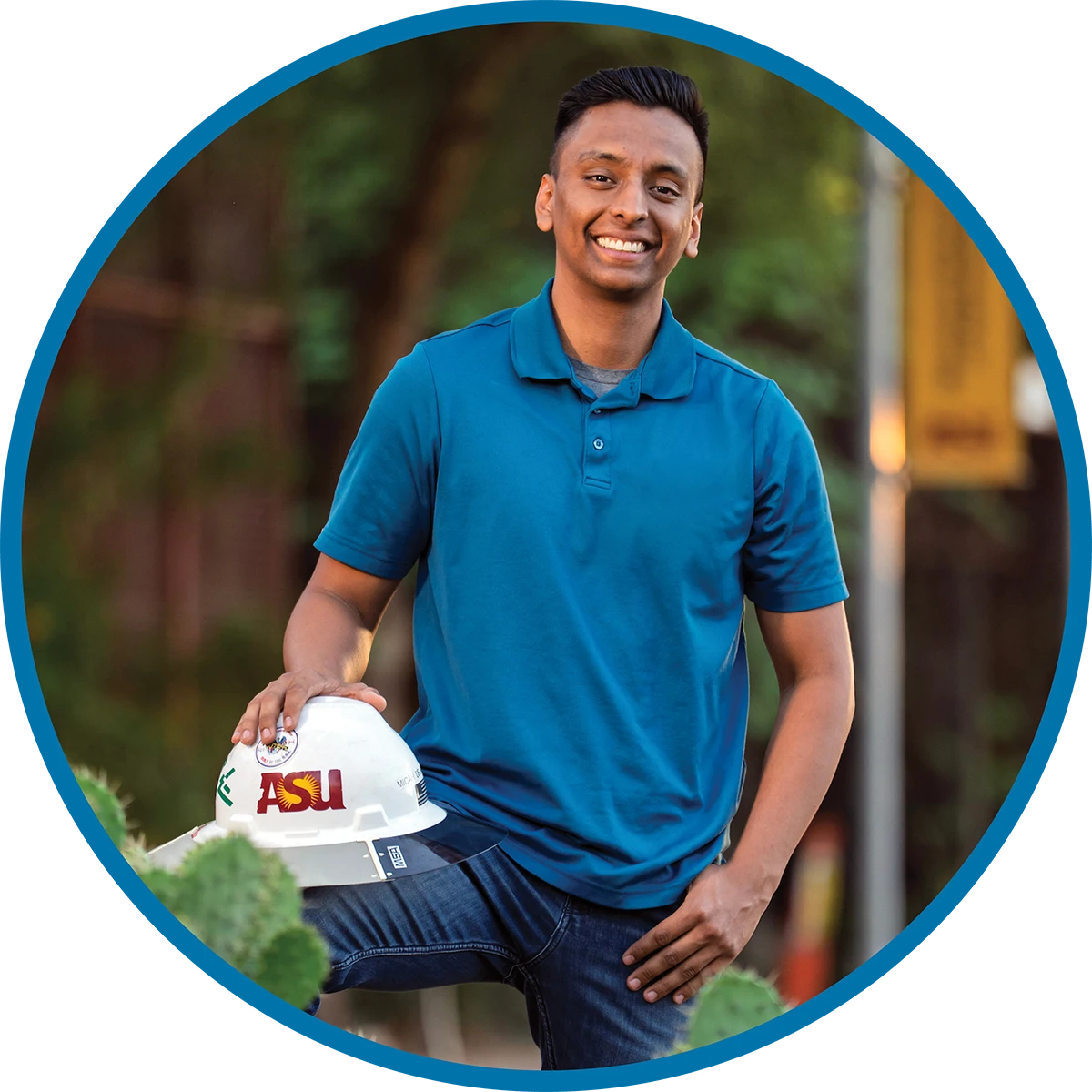
De La Torre, 28, became a first-generation college graduate in August 2023 after earning his bachelor’s degree in business communication online through ASU. He balanced classes with multiple jobs — including work as a groundskeeper specialist at the Polytechnic campus — while paying his way through school and graduating debt-free.
Learning the value of hard work
His father, Steve, reinforced those financial and personal values early. Chores around the house came with expectations — and lessons that stuck.
“There was always a lesson behind it,” De La Torre says. “Now that I’m older, I see the deeper meaning. Earning things instead of simply being handed them changed how I approached nearly everything.”
What moves the needle

In his MBA application, the future CEO of HonorHealth wrote about his grandfather, a Louisiana farmer with only a third-grade education.
“He said, in his broken Cajun accent, ‘You’d better go. Education is freedom.’ ”
The message stayed with LaPorte throughout a career that eventually led him to the helm of one of Arizona’s largest health systems. Since becoming CEO in 2017, he has led HonorHealth’s growth, expanding access to care across Arizona while overseeing an organization with more than 17,000 team members, physicians, and volunteers.
Despite that scale, LaPorte returns repeatedly to the same topic: people.
“I spend my time on matters that most command my attention,” he said during his Executive of the Year remarks. “What are the things that could materially move the needle?”
For LaPorte, effective leadership requires more than technical expertise. Reflecting on his Executive MBA experience, he emphasized the importance of emotional intelligence.
“You need to spend as much time on your emotional intelligence as you do on your subject-matter expertise,” he said.
That philosophy also shapes HonorHealth’s approach to care.
“We’re not just a hospital system anymore,” LaPorte said. “I don’t want you to come to the hospital. I want HonorHealth to be part of what keeps you from going.”
LaPorte also highlighted HonorHealth’s growing partnership with ASU Health and the new ASU John Shufeldt School of Medicine and Medical Engineering, which he believes can help transform health care delivery in Arizona and prepare future physicians to serve the state’s growing population.
Decades after hearing his grandfather’s advice that “education is freedom,” LaPorte is putting that lesson into practice — expanding access to care, investing in future health professionals, and helping shape a healthier future for Arizona.
Read on about leading through chaos

At the core of the book is a mindset shift: Stop viewing chaos as a sign that something has gone wrong and start recognizing it as a natural source of growth and competitive advantage.
“I wrote the book I wish I’d had as a junior officer,” Black says. “Most leadership training assumes conditions are predictable. The reality is uncertainty, pressure, and constant change.”
The book introduces Black’s Chaos Model, the first framework designed to measure chaos in leaders and teams. Using three connected scales — Control, Constructive Chaos, and Destructive Chaos — the model helps organizations identify where they stand, anticipate emerging challenges, and understand how chaos influences performance.
“Chaos is not the exception,” Black says. “It’s the natural condition of any team facing meaningful challenges. The goal isn’t to eliminate chaos. The goal is to build leaders and teams capable of growing stronger within it.”
Sun Devil 100 class sets new record

The Sun Devil 100 Class of 2026 recognized a record-breaking 225 alumni business leaders representing 162 organizations across industries ranging from real estate and construction to health care, technology, marketing, and nonprofit leadership.
Hosted annually by the ASU Alumni Association, the Sun Devil 100 honors the fastest-growing organizations owned or led by ASU alumni and celebrates innovation, entrepreneurship, and business growth across the ASU community. Together, this year’s companies generated $74.9 billion in revenue during the 2024 fiscal year and employ nearly 219,000 people across 15 states and three countries. Of the organizations recognized, 125 are based in Arizona.
The class includes graduates from 13 ASU colleges, collectively holding 273 degrees, reflecting the university’s broad entrepreneurial reach. Of the 225 alumni business leaders recognized, 86 are W. P. Carey graduates. Sixty-seven honorees joined the list for the first time this year, while eight have earned Sun Devil 100 recognition for a decade or longer.
Honorees gathered in April at the Omni Tempe Hotel on ASU’s campus, reconnecting with fellow alumni business leaders, ASU leadership, and student entrepreneurs. Top-performing companies were recognized in three revenue categories, and this year’s fastest-growing organizations include three W. P. Carey alumni:
- $250,000–$1.99 million: SCORE NN’, led by Jaron Lodge (BS Business Entrepreneurship ’21)
- $2 million–$9.99 million: Jawliner USA, led by Tiffany Tran (BA Communication ’13)
- $10 million-plus: BioLab Holdings, led by Bob Maguire (MBA ’13) and Jaime Leija (BS Management ’03) (see their profile on page 16)
Explore all the honorees: alumni.asu.edu/sundevil100
alumni.asu.edu/form/sundevil100-nominate

2026 Alumni hall of fame inductees
No two inductees follow the same path. Honorees have included entrepreneurs, executives, innovators, philanthropists, and community leaders. Some have built companies. Others have transformed organizations, advanced their professions, or created opportunities for future generations.
The 2026 class reflects that range, bringing together leaders in supply management, energy, transportation, commercial real estate, finance, and private investment. The school also recognizes two Young Alumni inductees whose careers are already making an impact and presents the Bill Carey Award to a leader whose philanthropy is creating opportunities for future generations.
“These honorees show our students that meaningful leadership can take many forms,” says Ohad Kadan, Charles J. Robel Dean and W. P. Carey Distinguished Chair in Business. “They are strengthening essential industries, creating opportunities for others, and demonstrating how business leadership can benefit communities.”
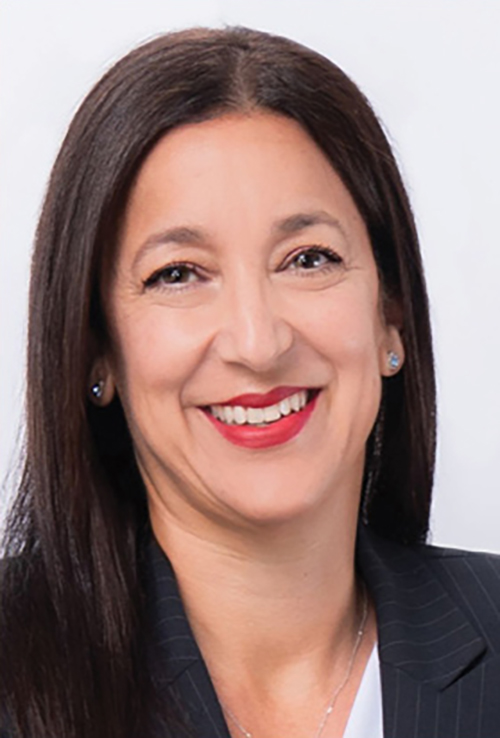
(BS Accountancy ’87)
Executive Vice President, Institute for Supply Management
Fogel-Monnissen joined the Institute for Supply Management as chief financial officer and served as interim CEO in 2026 following a global career that included 11 years working internationally.
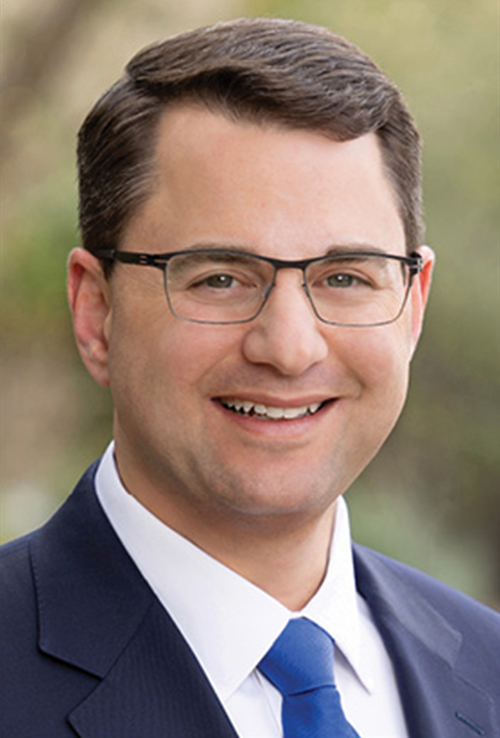
(MBA ’09)
Chairman, President and CEO, Arizona Public Service
Geisler leads Arizona’s largest electric company, which serves nearly 1.5 million homes and businesses, and is helping modernize and expand the energy grid to meet the state’s growing needs.
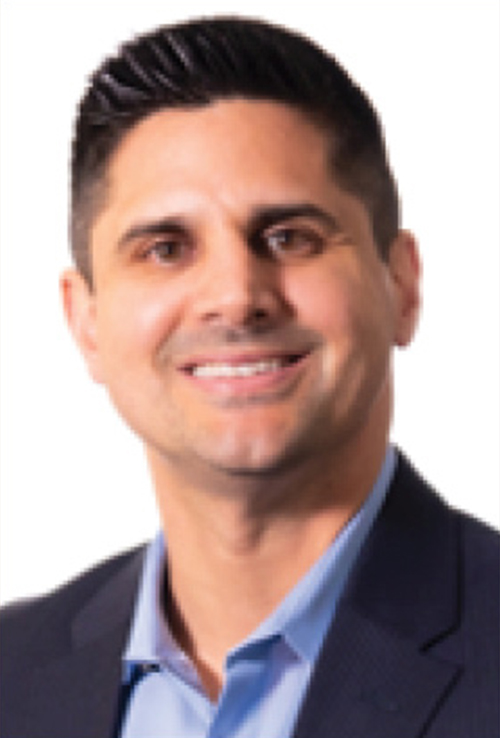
(BS Accountancy ’02)
Chief Executive Officer, Knight-Swift Transportation Holdings
Miller leads the country’s largest full truckload carrier and has helped drive Knight-Swift’s growth through strategic mergers, acquisitions, and integration.
Young Alumni inductees
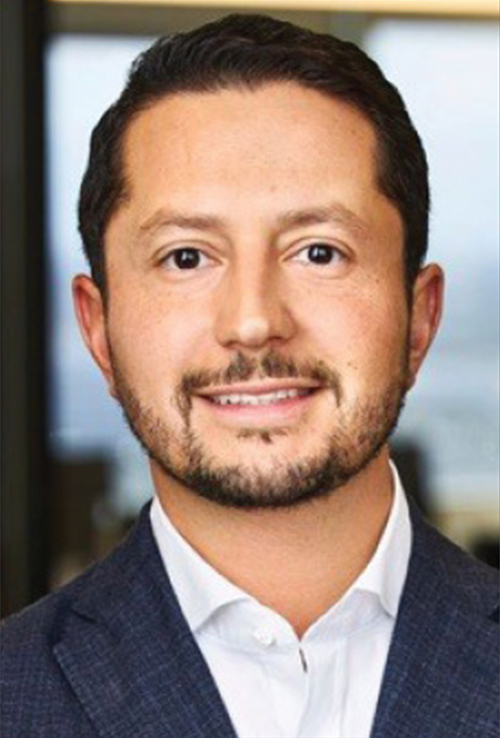
(BS Global Business/Marketing ’09)
Shareholder, Callodine Thorofare
During his tenure at Thorofare Capital, Gutnikov led the origination of more than $5 billion across 300 loans in 35 states.

(BS Finance ’10)
Managing Partner, KCB Partners
Gutnikov leads capital deployment and oversees the investment portfolio of a diversified platform managing more than $2 billion in gross alternative assets.
Bill Carey Award:
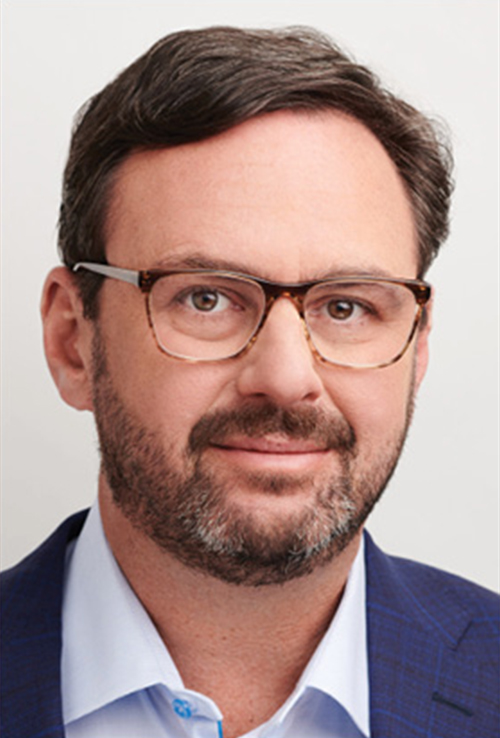
Founder and CEO, SURMOUNT
Kunofsky is honored for expanding students’ access to real estate careers through the Kunofsky Real Estate Scholars fund, which connects students with leading finance and real estate firms and industry professionals. Kunofsky earned a bachelor’s degree in recreation and tourism management in 1994 from the Watts College of Public Service and Community Solutions.
Lessons from the class of 1976
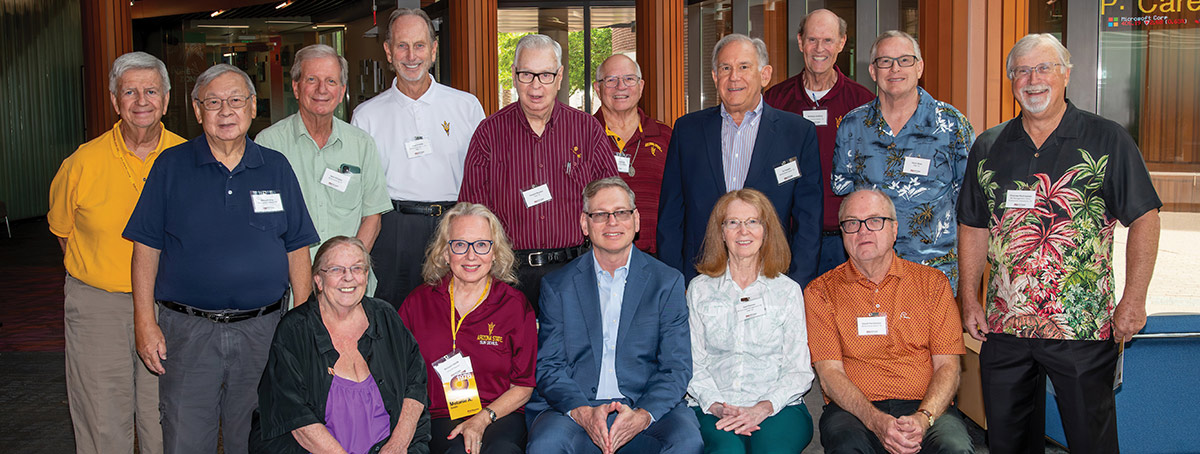
What is the biggest change you’ve seen in business education?
“When I arrived at ASU in 1976, the College of Business had a highly rated department focused on purchasing. Then, purchasing, operations, logistics, and other disciplines evolved and merged to become supply chain management, a globally recognized field with the W. P. Carey School of Business identified as one of the best. Now the National Association of State Procurement Officials has invested in the program to elevate the role of procurement and strengthen the Department of Supply Chain Management. A convincing example that our success is a result of building on the work of those who came before us.”
Beyond purchasing: What procurement professionals really do
Procure expertise instead of products

“I work with different teams on each step of the customer experience, from when the call or message comes in to when we resolve the problem,” she says. “I make sure the right contracts are in place so that if you need a repair, there’s a technician ready. If you need a new appliance, we can order one for you.”
Source things you never imagined

“Sourcing an advertising agency we’re spending $20 million a year with is easy, but who’s going to go out and find influencers to post on the internet for us?” he asks. “It’s a weirder world, but there are people who specialize in that.”
When DIRECTV was running TV ads featuring pigeons talking about the dish-free service, Thomas sourced pigeon costumes for people attending events on the company’s behalf. “I’ve also sourced pigeon birth control,” he says. “If you have a billion-dollar gas plant, you really don’t want pigeons pooping on it. There are people who feed the pigeons corn with birth control mixed in, and suddenly you don’t have as many pigeons pooping on your new equipment.”
Manage supply chains you never see

Hyland-Bennett points to low-sugar cereals sold in schools as an example. The cereal is produced in bulk, sent elsewhere for specialized packaging, routed through distribution facilities, and ultimately delivered by food distributors before reaching a cafeteria tray.
Build relationships before problems happen
“If customers see their food come out and it’s seeping through the take-out container, they’ll think it’s bad packaging,” she explains. Per- and polyfluoroalkyl substances (PFAS) help prevent food containers from leaking, but Olmedo’s company wanted PFAS-free alternatives. “We wanted a new technology that wasn’t quite there yet,” she says.
The solution, she adds, was “finding a great supplier that we could partner with to meet our scale and customize products.”
When a crucial ingredient failed to arrive in time for a restaurant grand opening, a distributor’s representative spent the day flying between Seattle and Portland to retrieve it before dinner service. “Finding good partners and suppliers is so important because you cannot do anything without them,” Olmedo says.
Expect the unexpected
“Do we need the system up 24 hours a day? Is 23 hours and 40 minutes good enough?” Thomas says. “You pay for every step up.”
Contingency planning is equally important. “You have to know what you’ll do if something happens to your supplier and the item doesn’t show up,” Olmedo says.
As Lam puts it: “If everything worked as it should, supply chain people wouldn’t have jobs.”